NFT stands for non-fungible token. It is a unique digital record, stored on a blockchain, that represents ownership of a specific item, such as a piece of digital art or a collectible. Unlike ordinary digital currency, no two NFTs are identical, and one cannot simply be swapped for another as an equal.
The letters surged into headlines when digital artworks began selling for startling sums, most famously in 2021, when a collage by the digital artist Beeple sold at Christie’s for about $69 million as an NFT. Since then the term has spread into gaming, music, sports collectibles, and event ticketing, usually explained in jargon that assumes you already know it.
You do not need the jargon. Each word in “non-fungible token” does real work, and once the middle word, fungible, makes sense, the whole term becomes plain. This article unpacks the letters, explains how NFTs function in ordinary language, and clears up the mix-ups that surround them, without treating them as an investment tip.
What Does NFT Stand For?
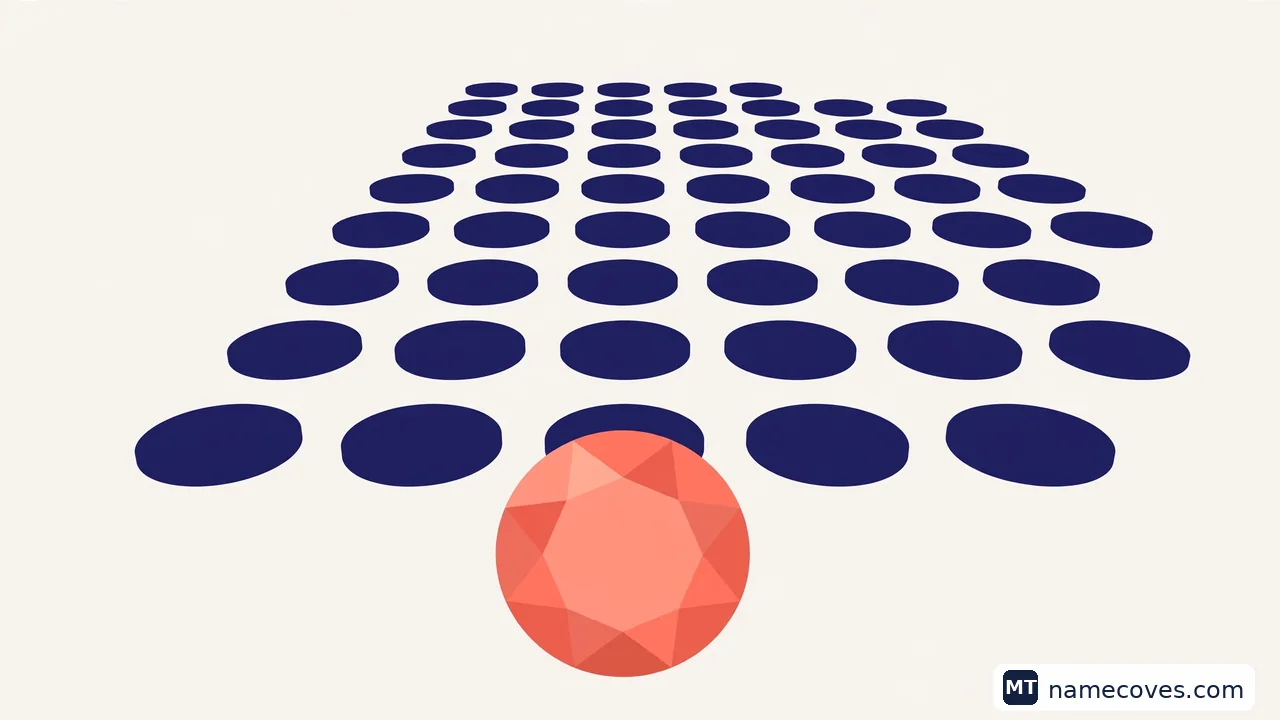
NFT is an initialism for “non-fungible token,” a term from the world of blockchain technology. An NFT is a record kept in a shared digital ledger, the blockchain, that certifies a particular digital item as the one and only original entry of its kind, and records who owns it. That item might be an image, a video clip, a song, a game object, or a digital certificate tied to something else.
The important idea is uniqueness with a paper trail. Anyone can copy a picture file, but an NFT is designed so that the ownership record itself cannot be duplicated. Whether that makes an NFT valuable is a separate question the market decides item by item, and many NFTs are worth very little. The term describes the technology of the record, not a promise about price.
What Does Each Letter Stand For?
- N: Non. Simply “not.” It negates the word that follows.
- F: Fungible. Interchangeable, identical in value, and freely swappable one for another.
- T: Token. A record or unit on a blockchain that represents something, in this case ownership of a unique item.
Put together, a non-fungible token is a blockchain record representing something that is not interchangeable. The letters are accurate and complete; unlike some internet abbreviations, NFT has no competing expansion in general use.
What Does “Non-Fungible” Actually Mean?
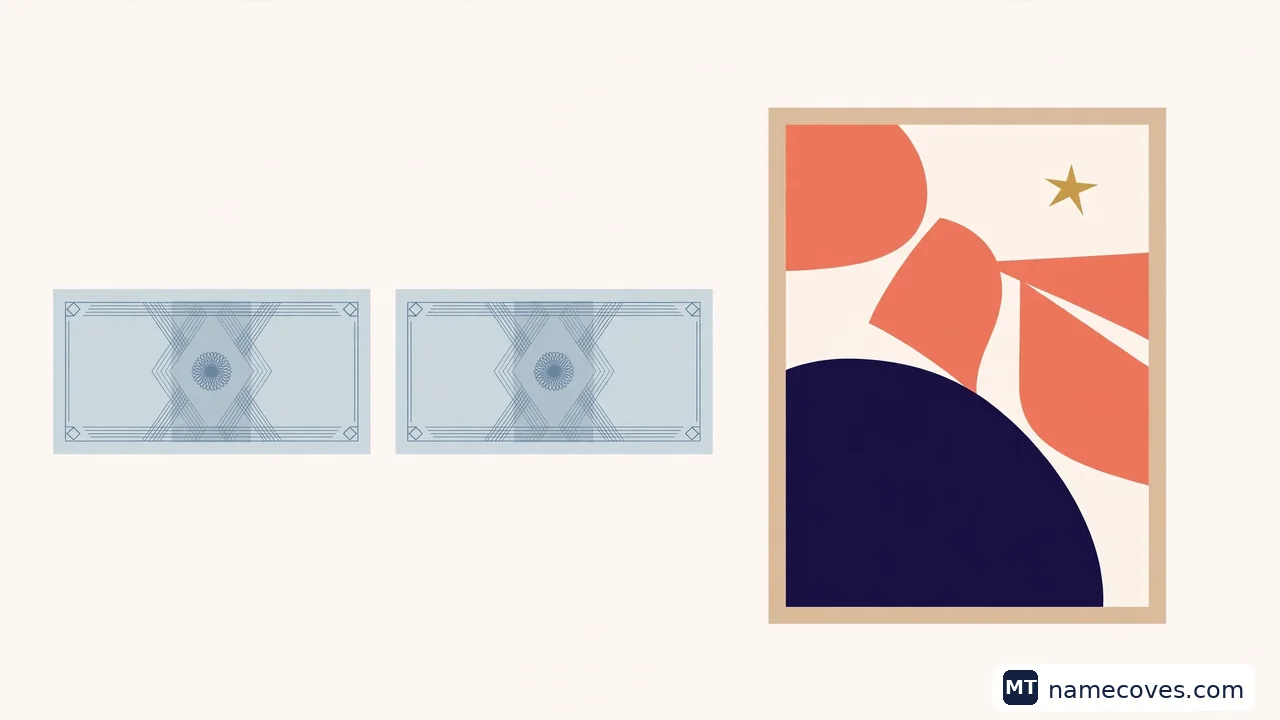
Fungible things are identical units. A dollar bill is fungible: if you lend a friend a dollar and they hand you a different dollar bill back, you have lost nothing, because every unit is the same. Cash, gold by weight, and cryptocurrencies such as bitcoin are treated as fungible, since one unit equals any other.
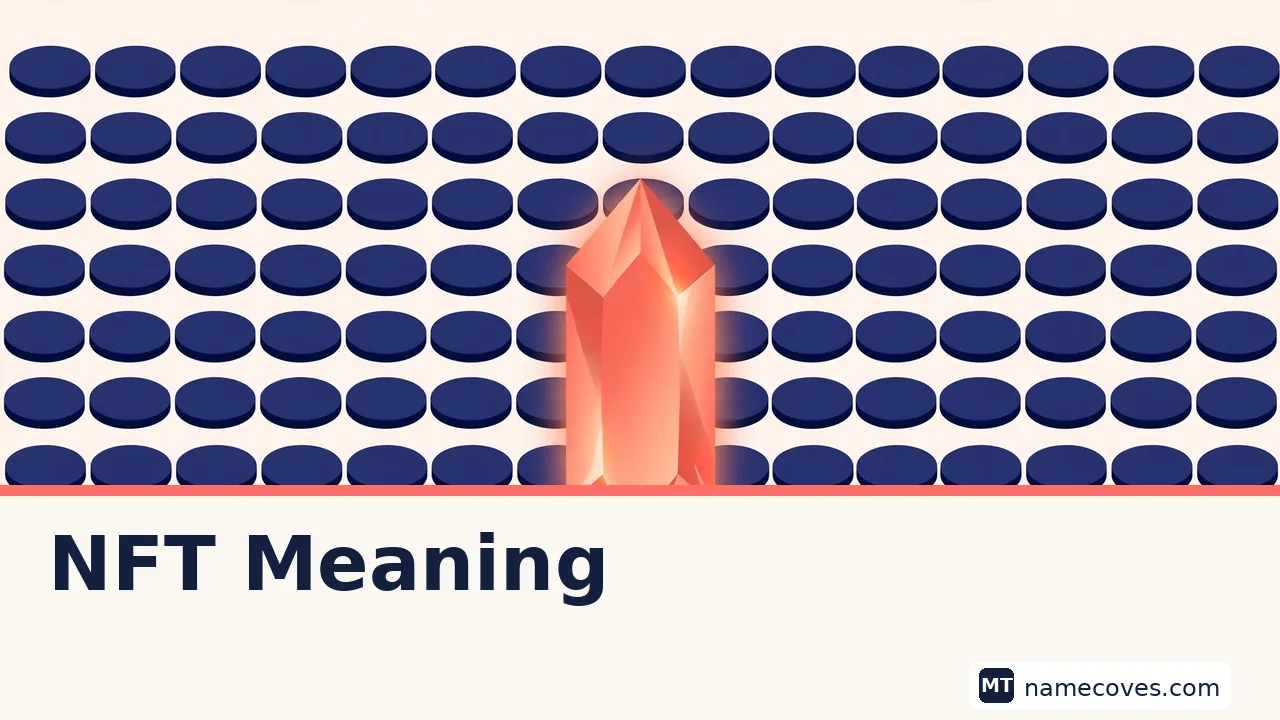
Non-fungible things are one of a kind. A house is non-fungible, and so is an original painting, a signed baseball card, or a concert ticket for a specific seat. Swapping one for another changes what you hold. NFTs apply that idea to digital items, which are otherwise easy to copy perfectly: the file may be copied freely, but the token, the ownership record, exists only once in the ledger.
How Do NFTs Work in Plain Terms?
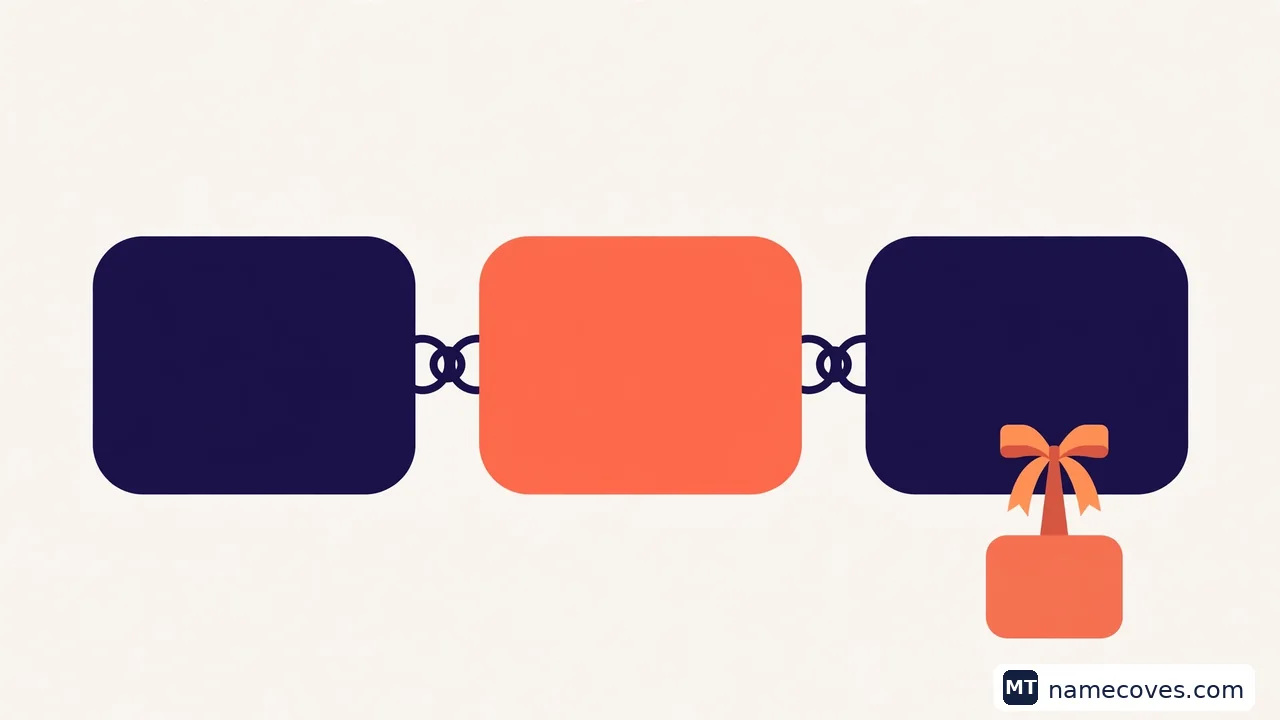
Most NFTs are recorded on blockchains such as Ethereum, using shared technical standards that let wallets and marketplaces recognize them. Creating one is often called “minting”: the item’s details and ownership information are written into the ledger as a new token. From then on, the ledger keeps a public history of that token, when it was created and each wallet it has moved to.
Buying and selling usually happens on NFT marketplaces, paid for with cryptocurrency, although some platforms accept ordinary payment cards. The token itself typically contains or points to the item’s data and metadata rather than storing a large image file directly. What changes hands is the token; what it represents, and any rights that come with it, depend on the terms set by its creator, which leads directly to the most common misunderstanding below.
What Are NFTs Used For?
The best-known use is digital art and collectibles, where artists sell verifiable originals of work that could otherwise only be copied. Beyond art, NFTs have been used for in-game items a player can own and trade, for digital trading cards and sports highlights, for music releases, and as tickets or membership passes that are hard to counterfeit because the ledger records each one.
In every case the pattern is the same: something digital that benefits from being provably one of a kind gets a unique ownership record. Some of these uses have settled into steady niches, and others were passing fads. The term itself simply names the record-keeping tool they share.
Common Mistakes and Confusion About NFTs
The most widespread mistake is assuming that buying an NFT means buying the copyright in the artwork. Usually it does not. In most sales, the buyer receives the token and a right to display the item, while the artist keeps the copyright and can still license or reproduce the work, unless the sale terms say otherwise in writing. Always read what a specific sale actually grants.
A second confusion treats NFTs and cryptocurrency as the same thing. They share blockchain technology, but a cryptocurrency unit is fungible and meant to be spent, while an NFT is a unique record meant to be held or traded as an individual item. A third mistake is treating “NFT” as a guarantee of value. Prices for many NFTs fell sharply after the early-2020s boom, and a token proves ownership of an item, not that anyone else will pay for it later.
FAQs
What does NFT stand for in simple words?
Non-fungible token: a one-of-a-kind digital record that proves ownership of a specific item, kept in a blockchain ledger so it cannot be duplicated.
Is an NFT the same as cryptocurrency?
No. Both use blockchains, but cryptocurrency units are identical and interchangeable, like dollar bills. An NFT is unique, like a specific signed card, and represents a particular item.
Can an NFT be copied?
The image or file it represents usually can be copied, which surprises many people. What cannot be copied is the token, the ownership record in the ledger. Owners hold the certified original entry, not the only existing copy of the picture.
Do you own the artwork if you buy its NFT?
You own the token. Copyright and reproduction rights normally stay with the creator unless the sale terms transfer them explicitly. Check the license attached to any NFT before assuming what you can do with the artwork.
Are NFTs a good investment?
That is not a question with a factual answer, and this article does not offer investment advice. Many NFTs have lost most of their value, and prices are highly unpredictable. Treat any purchase as a collectible you may never resell, and research carefully before spending money.
What Should You Remember About NFTs?
NFT stands for non-fungible token: a unique, non-interchangeable ownership record stored on a blockchain. The contrast that defines it is with fungible things like cash, where every unit is the same. An NFT certifies that one specific digital item is the registered original and shows who holds it, and that is the whole of what the term claims.
When you meet the term in a headline or a sales pitch, the useful next step is to ask two plain questions: what item does this token represent, and what rights actually come with it? Those answers, not the label, tell you what an NFT is in any particular case, and they protect you from the most common and most expensive misunderstanding.