Blood in stool can appear in three main ways: bright red blood on the toilet paper, coating the stool, or mixed into the bowl; dark red or maroon stool; or black, tarry-looking stool. According to Mayo Clinic, the appearance gives doctors clues about where in the digestive tract the bleeding starts, but only an evaluation can find the actual cause.
Few sights are as alarming as red in the toilet bowl. The immediate questions come fast: is that blood, how much is there, and is it serious? The honest answer is that appearance alone cannot tell you. The same bright red streak can come from a minor hemorrhoid or from something that needs prompt attention, which is why this topic needs a calm, factual walk-through rather than reassurance or alarm.
What follows describes how blood in stool actually looks, what the different appearances are generally associated with, which harmless things can imitate it, and the specific situations where medical guidance, including Mayo Clinic and Cleveland Clinic recommendations, says to get checked promptly. This article explains appearances; it cannot diagnose you.
What Does Blood in Stool Look Like?
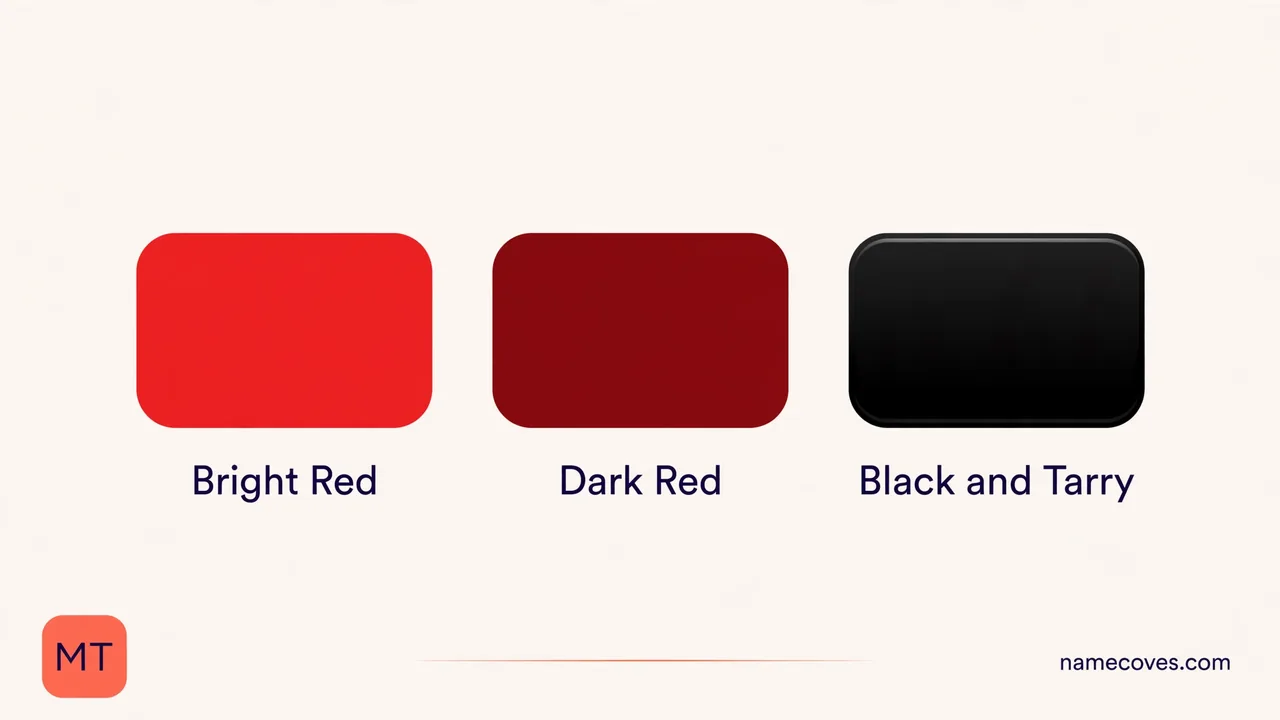
Doctors group the appearances into three patterns, and the differences mainly come down to color and texture:
- Bright red blood: seen on toilet paper after wiping, as streaks on the surface of the stool, dripping into the bowl, or coloring the water pink or red. Because the blood looks fresh, it generally comes from low in the digestive tract, near the rectum. The medical term for passing bright red blood is hematochezia.
- Dark red or maroon stool: blood mixed through the stool rather than sitting on its surface, giving it a deep red or maroon color. This pattern generally points to bleeding somewhat higher in the colon.
- Black, tarry stool: stool that is black, sticky, and tar-like, often with a notably strong odor. Called melena, it usually means blood has been partly digested as it traveled from the upper digestive tract, such as the stomach or upper small intestine.
There is also a fourth possibility you cannot see at all. Small amounts of blood may be invisible in the stool, which is why screening tests that detect hidden (occult) blood exist. A normal-looking stool does not fully rule bleeding out.
What the Color Can Suggest
Appearance is a clue, not a conclusion. Clinicians use it as a starting point alongside your symptoms, history, and tests. In general terms:
| Appearance | Often associated with | Important note |
|---|---|---|
| Bright red blood | Sources near the rectum, such as hemorrhoids or an anal fissure; also inflammation or growths in the lower colon | The most common causes are minor, but doctors do not assume that without checking, especially for a new or repeated symptom |
| Dark red or maroon stool | Bleeding in the colon, from causes such as diverticular bleeding, colitis, or polyps | Larger amounts or ongoing episodes need prompt evaluation |
| Black, tarry stool (melena) | Bleeding in the upper digestive tract, such as a peptic ulcer or inflamed stomach lining | Iron supplements and bismuth medicines can also turn stool black without any bleeding |
Cleveland Clinic and Mayo Clinic both stress the same point: a person cannot reliably sort harmless from serious by color alone. Hemorrhoids are the most frequent cause of bright red bleeding, and colorectal cancer is among the least common, but they can look similar at home, which is exactly why guidelines lean on evaluation rather than guesswork.
What Else Can Change Stool Color?
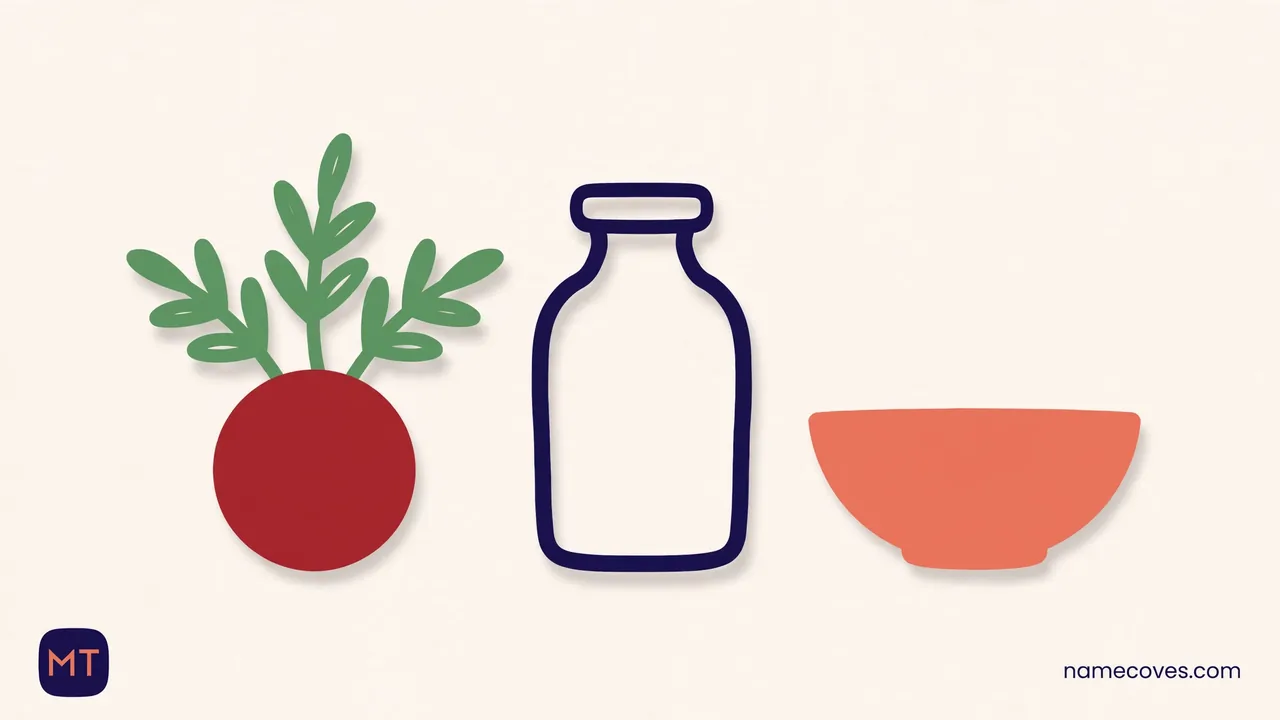
Not every red or black stool involves blood. Common impostors include:
- Beets, red food coloring, and some red drinks or gelatin desserts, which can tint stool and urine pink or red for a day or so.
- Iron supplements, which commonly turn stool dark green or black.
- Bismuth subsalicylate (the active ingredient in Pepto-Bismol), which can blacken both stool and tongue temporarily.
- Dark foods in quantity, such as blueberries or black licorice, which can darken stool color.
The trap is that these explanations are only safe in hindsight. If you cannot clearly tie the color to something you ate or a medicine you take, or if it happens more than once, treat it as real until a clinician says otherwise.
When Should You See a Doctor?

Mayo Clinic’s guidance is a useful rule of thumb: make an appointment for any rectal bleeding that you notice more than once, lasts more than a day or two, or worries you, even if you suspect hemorrhoids. A first episode in someone over 45, or anyone with a family history of colorectal cancer, also deserves a prompt appointment, since screening guidelines start at that age for average-risk adults.
Seek emergency care right away if you have:
- Heavy or continuous bleeding, or large clots
- Dizziness, lightheadedness, fainting, or a rapid heartbeat
- Severe or worsening abdominal pain
- Vomiting blood or material that looks like coffee grounds
- Black, tarry stools together with weakness or feeling faint
- Signs of significant blood loss, such as pale skin, confusion, or rapid breathing
These red flags matter more than the exact shade you saw. Heavy bleeding is an emergency at any color.
What Will a Doctor Do to Find the Cause?
A typical evaluation starts with questions about the bleeding pattern, your medicines (blood thinners and common pain relievers matter here), bowel habits, and family history. From there, a clinician may do a rectal exam, blood tests to check for anemia, and a stool test that detects hidden blood.
If the source is not clear, the standard next step is often a colonoscopy, which lets a doctor examine the colon directly and remove polyps if any are found. Upper endoscopy is used when black, tarry stool suggests an upper source. Writing down what you saw, when it started, and any other symptoms (pain, fever, weight change, diarrhea) before the visit genuinely helps narrow this down faster.
FAQs
Can hemorrhoids cause blood in stool?
Yes. Hemorrhoids are one of the most common causes of bright red blood on toilet paper or on the stool’s surface. Even so, guidelines recommend getting new, repeated, or unexplained bleeding checked rather than assuming hemorrhoids are the cause.
Does black stool always mean bleeding?
No. Iron supplements and bismuth medicines commonly blacken stool harmlessly. Black stool that is also sticky and tar-like, called melena, is the pattern associated with upper digestive tract bleeding and should be evaluated.
How much blood in stool is serious?
There is no safe amount to judge at home. Any repeated episode, bleeding that lasts beyond a day or two, or bleeding with dizziness, pain, or weakness needs medical attention. Heavy bleeding is an emergency.
Should I wait to see if it goes away?
A single tiny streak clearly tied to straining might resolve, but the standard medical advice is not to watch and wait on repeated or unexplained bleeding. When in doubt, call a clinician and describe what you saw.
What Should You Remember About Blood in Stool?
Blood in stool has a short list of looks: bright red, dark red or maroon, and black and tarry. Each pattern hints at where bleeding may start, and none of them can tell you at home if the cause is minor or serious. Add the impostors, such as beets, iron, and bismuth, and the case for evaluation over guesswork becomes stronger still.
The practical next step is simple. Note the color, texture, amount, and timing, and contact a clinician if it repeats, lasts more than a day or two, or comes with pain, dizziness, or weakness. If the bleeding is heavy, treat it as an emergency and seek care immediately rather than monitoring it yourself.