The thyroid is a small, butterfly-shaped gland in the front of your neck. It makes hormones that control how your body uses energy, mainly thyroxine (T4) and triiodothyronine (T3). These hormones influence your metabolism, heart rate, body temperature, digestion, and mood, and a pituitary signal called TSH regulates them.
If you have ever felt exhausted for no clear reason, gained weight without changing your diet, or noticed your heart racing at rest, someone may have told you to “get your thyroid checked.” That advice comes up so often because this one small gland quietly influences almost every system in your body.
The thyroid does not do its work in isolation, and its effects are easy to confuse with stress, aging, or other conditions. That is why context matters: knowing what the thyroid actually does, and what it does not do, helps you understand test results, symptoms, and treatment conversations with far less guesswork.
What Does the Thyroid Do?
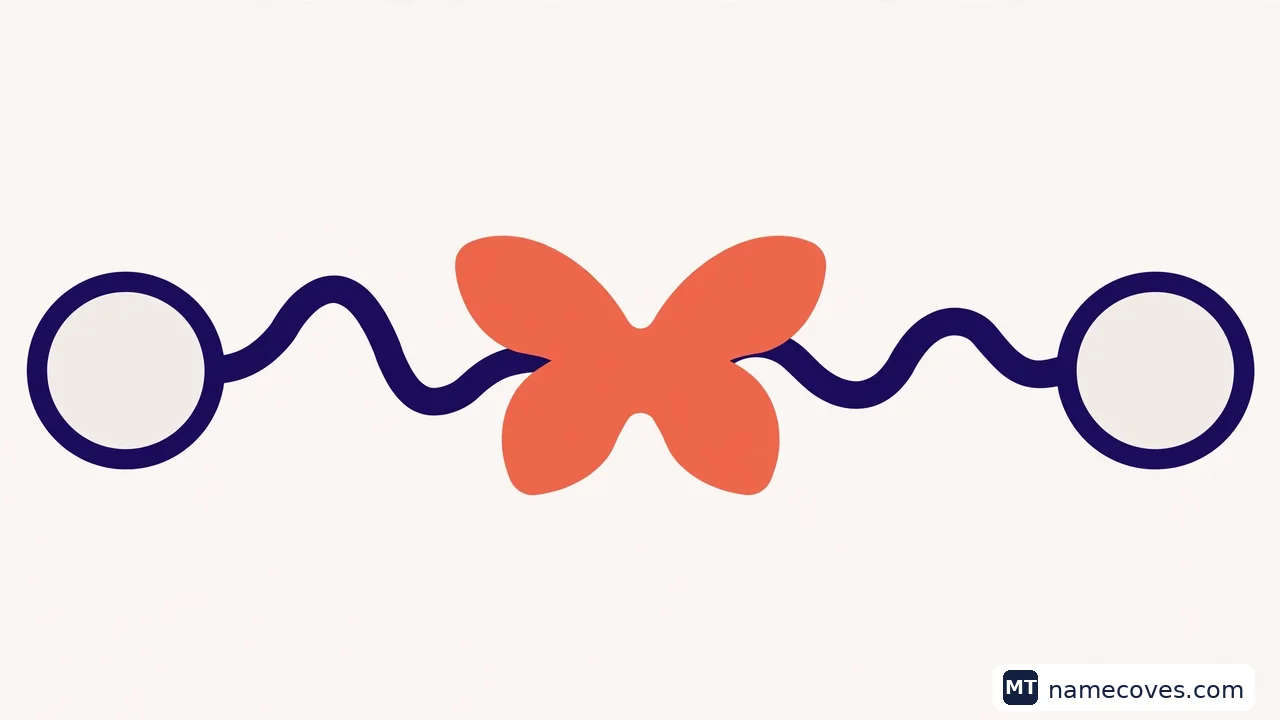
The thyroid sits just below your Adam’s apple, wrapped around the front of your windpipe. According to MedlinePlus, its central job is to produce and release thyroid hormones into the bloodstream so they can reach tissues throughout the body.
The gland makes two main hormones. Thyroxine, called T4, is the primary hormone it releases. Triiodothyronine, called T3, is the more active form; some T3 comes directly from the thyroid, and the rest is converted from T4 in other tissues.
The thyroid does not decide on its own how much hormone to make. The pituitary gland in the brain monitors hormone levels and releases thyroid-stimulating hormone, or TSH. If thyroid hormone levels drop, TSH rises and pushes the gland to produce more. If levels climb, TSH falls. This feedback loop keeps hormone levels in a fairly narrow range.
The Main Jobs of Thyroid Hormones
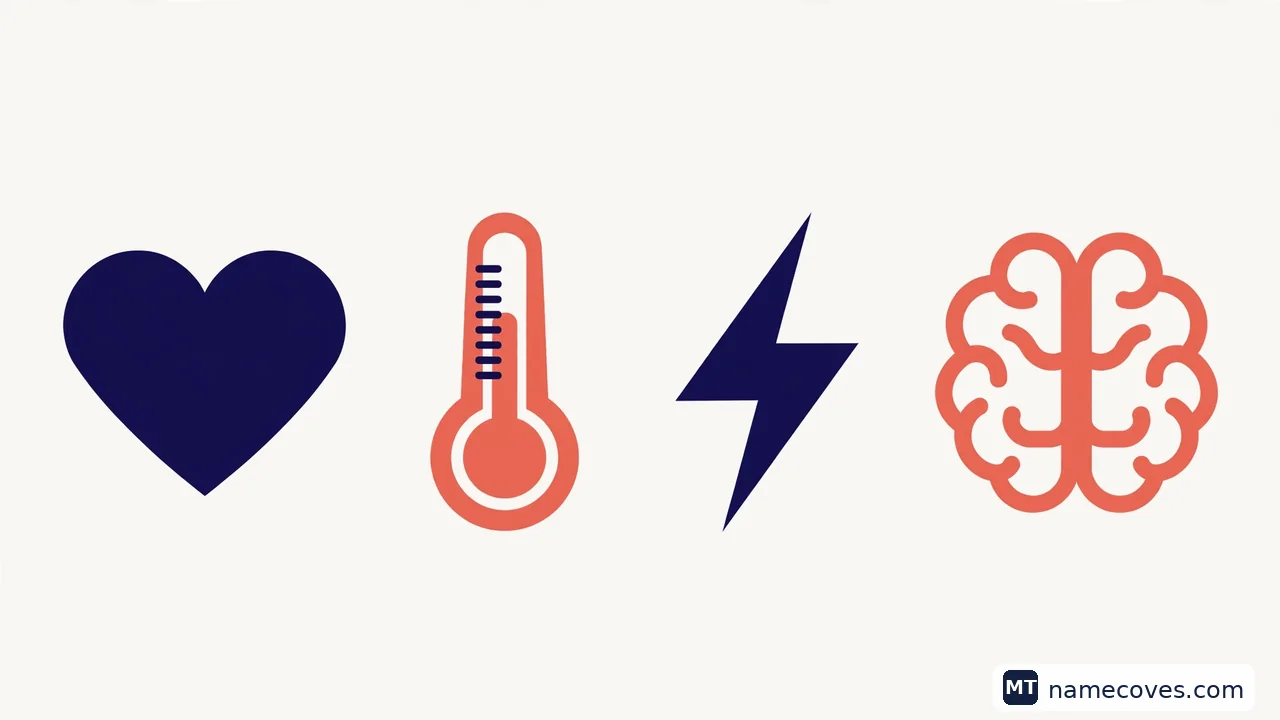
Once T3 and T4 enter the bloodstream, they act like a volume dial for the body. Nearly every cell responds to them, which is why thyroid problems can show up in so many different ways.
Metabolism and Energy
Thyroid hormones set the pace at which your body converts food into energy. They influence how many calories you burn at rest, how your body handles fats and carbohydrates, and how quickly you replace spent energy.
Heart and Circulation
These hormones affect how fast and how forcefully your heart beats, and how your blood vessels respond. That is why an overactive thyroid can cause a racing or pounding heartbeat, while an underactive one can slow the pulse.
Body Temperature
Because thyroid hormones drive energy use, they also help regulate body temperature. People with low thyroid function often feel cold when others are comfortable, while people with excess hormone may feel overheated and sweat more.
Brain, Mood, and Digestion
Thyroid hormones support alertness, memory, and mood, and they help the digestive tract move food along at a normal pace. They are also essential for normal growth and brain development in babies and children, which is why newborns are routinely screened for thyroid problems.
What Happens If the Thyroid Makes Too Little or Too Much?
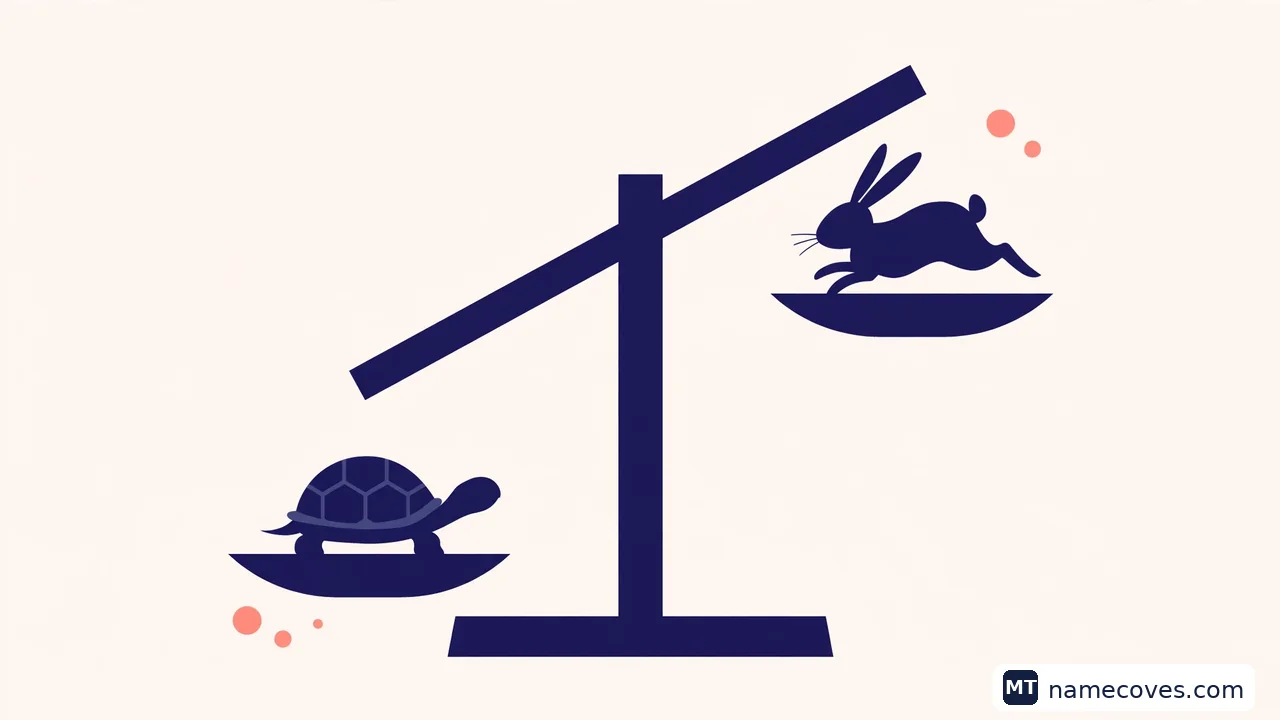
If the thyroid produces too little hormone, the condition is called hypothyroidism, and body processes tend to slow down. According to Mayo Clinic, common signs include fatigue, weight gain, feeling cold, dry skin, constipation, and a slowed heart rate. Hashimoto’s thyroiditis, an autoimmune condition, is a frequent cause.
If the gland produces too much hormone, the condition is called hyperthyroidism, and processes speed up. Typical signs include unexplained weight loss, a rapid or irregular heartbeat, shakiness, anxiety, heat sensitivity, and more frequent bowel movements. Graves’ disease is a common autoimmune cause.
These descriptions are general information, not a diagnosis. Many other conditions can cause the same symptoms, and only lab testing can show if your thyroid hormone levels are actually out of range.
How Do Doctors Check If the Thyroid Is Working?
Doctors usually start with a physical exam, feeling the gland for enlargement or nodules, and a blood test. The most common first test measures TSH, because it reacts early when hormone levels shift. Free T4 is often measured as well, and sometimes T3 or thyroid antibodies, depending on the situation.
If a lump or enlargement is found, a clinician may order an ultrasound to look at the gland’s size and structure. Results are interpreted against reference ranges, and one mildly abnormal result is often rechecked before any treatment decision is made.
When Should You Talk to a Doctor?
Consider asking for a thyroid check if you have persistent, unexplained fatigue, weight change, heart palpitations, new sensitivity to heat or cold, or a visible swelling at the front of your neck. Mention any family history of thyroid disease, since these conditions often run in families.
Seek prompt medical care for a rapidly enlarging neck swelling, trouble breathing or swallowing, or a heartbeat that feels dangerously fast or irregular. This article explains how the gland works; it cannot tell you if your own thyroid is healthy. A clinician who can examine you and order blood work can.
FAQs
Where is the thyroid located?
It sits in the front of your neck, just below the Adam’s apple, with two lobes wrapped around either side of the windpipe. In most adults it weighs less than an ounce.
What is the difference between T4 and T3?
T4 is the main hormone the thyroid releases, and T3 is the more active form. Much of the T4 in your bloodstream is converted into T3 in tissues such as the liver and kidneys.
Can you live without a thyroid?
Yes. If the gland is removed or stops working, a daily thyroid hormone replacement pill can supply the hormone your body needs, with regular blood tests to keep the dose right.
What does a high TSH usually mean?
A high TSH usually means the pituitary is pushing the thyroid harder because hormone levels are low, a pattern seen in hypothyroidism. A low TSH often points the other way, toward an overactive thyroid.
Do thyroid problems affect weight?
They can. Low thyroid function tends to slow metabolism and can cause modest weight gain, while excess hormone can cause weight loss despite a normal or increased appetite. Many other factors affect weight too.
What Should You Remember About the Thyroid?
The thyroid is a small gland with an outsized role: the hormones it makes set the pace for your metabolism, heart, temperature, digestion, and mood. It works under the direction of the pituitary gland, which adjusts TSH up or down to keep T3 and T4 levels steady. When that balance slips in either direction, the effects can show up almost anywhere in the body.
If several of the signs described here sound familiar and persistent, the practical next step is simple: ask a doctor about a TSH blood test rather than trying to guess from symptoms alone. Symptoms overlap with many other conditions, and a lab result gives you and your clinician something solid to act on.