In texting and chat, DW most often means “don’t worry,” a relaxed way to say “it’s fine, no need to stress about it.” You will see it after an apology or a mix-up. In parenting and family forums, DW can instead mean “dear wife,” so where you see it decides what it means.
You apologize for replying three hours late, expecting at least a sentence back, and the entire reply is “dw.” It looks almost too short to be friendly, but in chat shorthand that is exactly the point: two letters that close the topic and tell you to relax.
DW is a good example of why abbreviations cannot be read in isolation. The same two letters do a completely different job in a forum post about family life, so the setting, not the letters, carries the meaning.
What Does DW Mean?
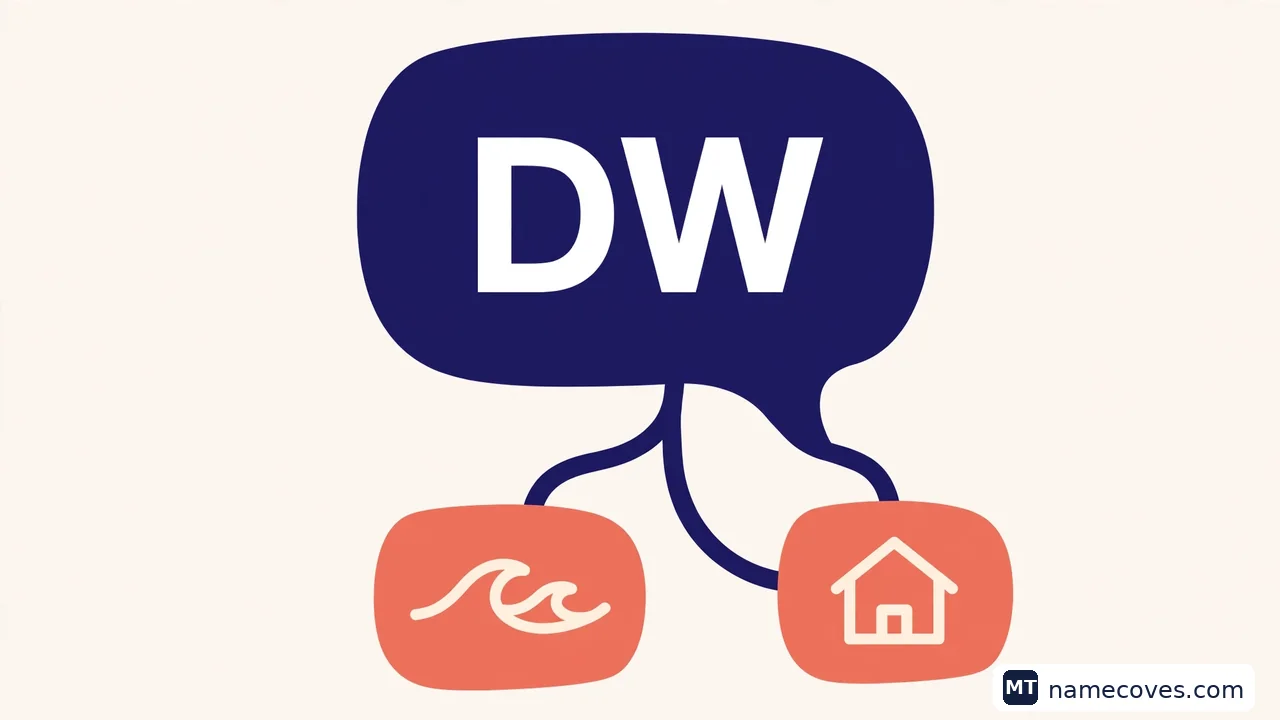
In everyday texting, DW stands for “don’t worry.” People send it to wave off a small problem: a late reply, a forgotten attachment, a plan that changed. It is reassuring in intent, a way of saying the issue is not worth another thought. It is casual, though, and can read as abrupt if the other person was genuinely upset.
The second established use appears in parenting, family, and relationship forums, where DW is shorthand for “dear wife.” Writers there use a small family of abbreviations, such as DH for “dear husband” and DS or DD for “dear son” and “dear daughter,” and DW fits that pattern. In that setting it introduces a person, not a reassurance.
How Does Context Change the Meaning?
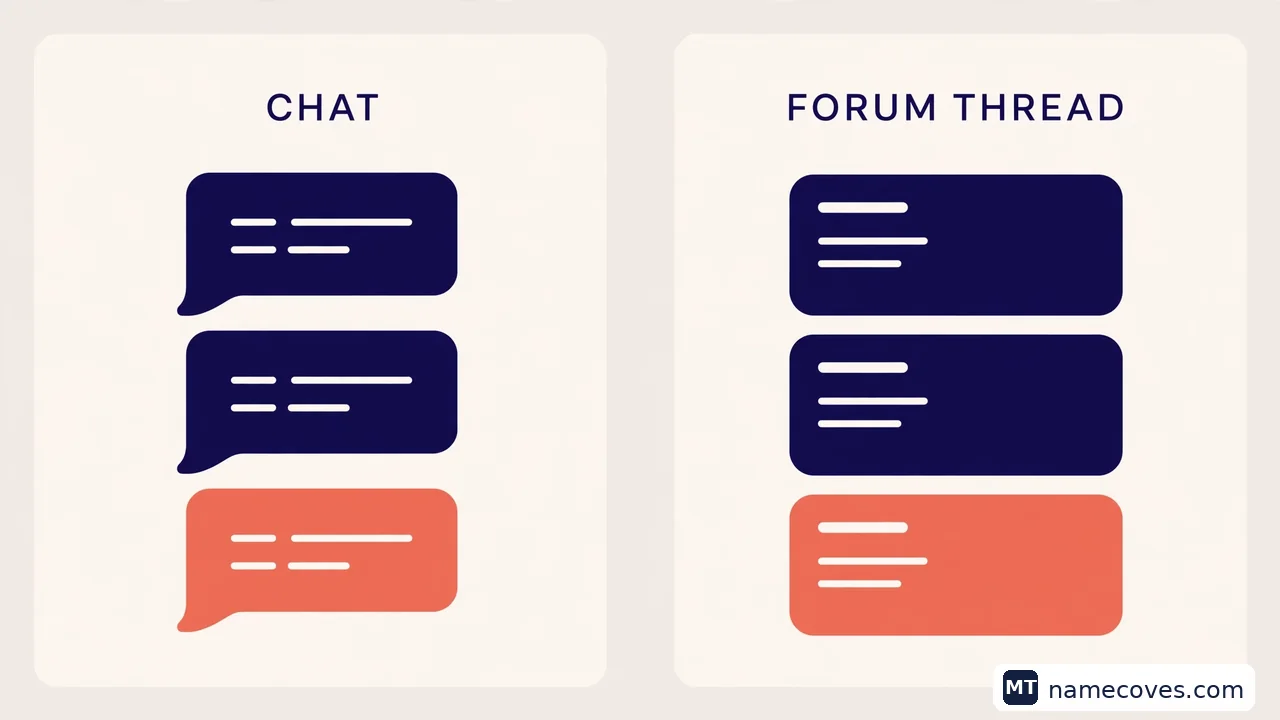
In a Chat or Text Thread
If DW arrives as a short reply, especially right after an apology or a concern, it means “don’t worry.” Grammar gives it away: it stands alone as a complete response, the way “no problem” would. A message like “dw, I grabbed milk on the way home” also fits this reading, with DW softening the update.
In a Forum Post About Family Life
If DW appears inside a sentence as a noun, as in “DW thinks we should move the trip,” it means “dear wife.” The surrounding post will usually be about household or parenting topics, and other shorthand like DH or DD may appear nearby. When DW is doing the job of a person in the sentence, it is the forum meaning.
Examples of DW in Conversation
Person A: “Sorry, I sent you the old version of the file”
Person B: “dw, use the new one I just uploaded”
Here DW means “don’t worry.” Person B dismisses the mistake and points to the fix in the same breath.
Person A: “Running 15 minutes behind, traffic is awful”
Person B: “dw, take your time”
Again, reassurance. Person B is saying the delay is not a problem, and no apology is needed.
Forum post: “DW and I finally agreed on a stroller, and DD loves it.”
In this sentence DW is a person, “dear wife,” and DD follows the same pattern for “dear daughter.” Reading DW as “don’t worry” here would make the sentence fall apart, which is exactly the clue.
How Do You Reply to DW?
When DW means “don’t worry,” a reply is barely required. A quick “ok, thanks” or a thumbs-up reaction is enough, and often the conversation simply moves on, which is what the sender intended. If you were actually worried about something that matters, it is fine to say so: “appreciate it, but I do want to sort this out properly later.” That keeps the tone friendly without letting a real concern get waved away.
FAQs
Does DW mean “don’t worry” or “dear wife”?
Both are real uses. In texts and chats it almost always means “don’t worry.” In parenting and family forums, especially inside a sentence about family members, it usually means “dear wife.”
Is DW rude?
Not usually. As “don’t worry” it is meant kindly. It can feel dismissive only if you raised something serious and expected a fuller response.
What is the difference between DW and NP?
NP means “no problem” and answers a thank-you or an apology. DW means “don’t worry” and answers a concern. They overlap in casual chats, but DW is aimed at worry, NP at gratitude or fault.
Can DW mean something in gaming?
In gaming chats, DW is used the same way as in texting: “don’t worry,” often after a lost round or a mistake, to tell teammates to stay calm.
What Should You Remember About DW?
DW does double duty. In a chat it almost always means “don’t worry,” a two-letter way to close a concern and keep things light. In family and parenting forums it means “dear wife” and names a person in the sentence. Grammar is your best test: standing alone as a reply, it reassures; working as a noun, it refers to someone.
If a DW ever leaves you unsure which job it is doing, a short clarification is always acceptable: “dw as in don’t worry, right?” In casual messaging, asking takes two seconds and nobody minds.