If you are asking what does DIY mean, it stands for “do it yourself”: making or fixing things yourself instead of hiring a professional.
It is used most for home improvement, crafts, and repairs, but it now covers beauty treatments, gifts, parties, and tech projects too.
DIY works as a noun, adjective, and verb: there are DIY projects, DIY stores, and people who DIY their shelves.
It is pronounced by spelling out the letters, dee-eye-why.
A faucet starts dripping on Saturday morning. The plumber quotes a fee that makes you pause, and minutes later you are watching a repair video, wrench in hand. That moment, choosing to fix it yourself instead of paying someone else, is the heart of DIY.
The term shows up everywhere now: store aisles labeled DIY, video titles promising a DIY desk or a DIY gift, and friends texting about their weekend DIY project. People search for its meaning because the three letters appear in so many contexts, from home repair to skincare. This guide explains what DIY stands for, what kinds of projects count as DIY, how the word works in everyday sentences, and the jobs you should hand to a professional instead.
What Does DIY Stand For?
DIY is an initialism built from the first letters of “do it yourself”: D for do, I for it, and Y for yourself. Unlike ASAP, it is always said letter by letter, never as one word. The phrase describes an approach: your own labor, tools, and learning instead of a hired expert’s.
The idea grew with the home improvement boom after the Second World War, when magazines urged homeowners to fix and decorate their own houses. Today the term covers almost any project a person takes on personally, and stores stock whole DIY sections.
What Counts as DIY?
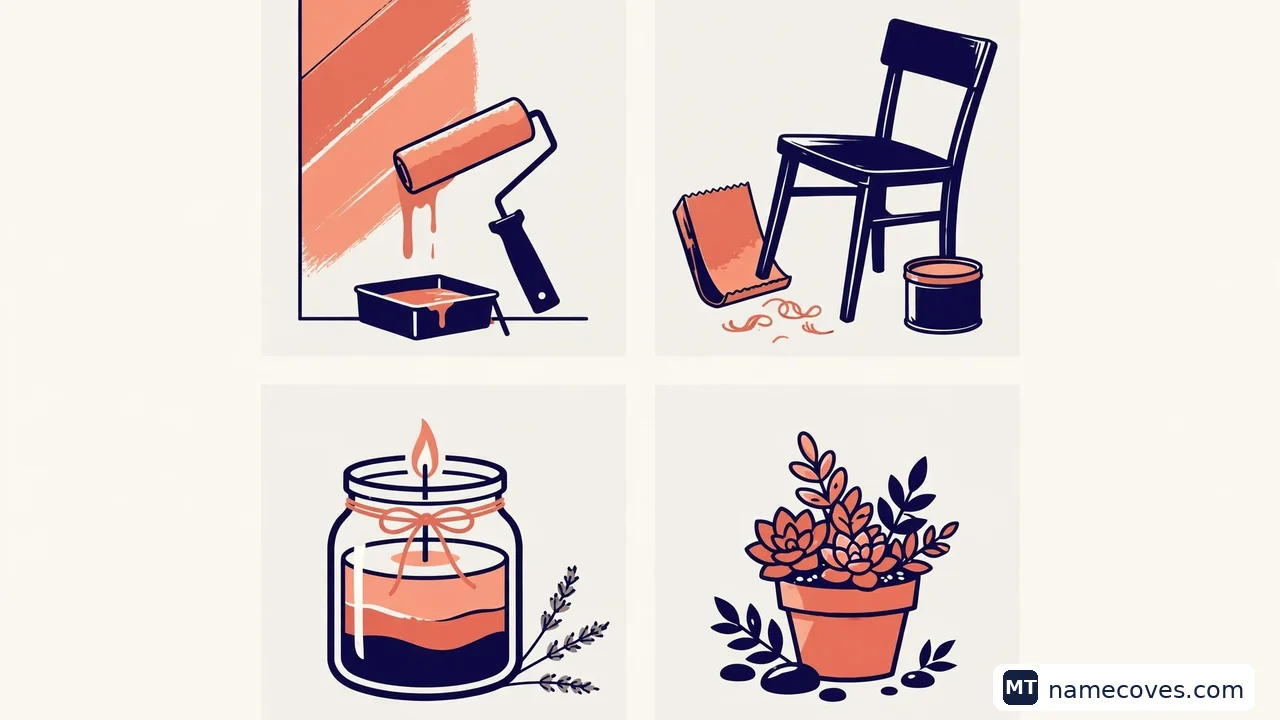
Almost any project you make or fix yourself counts. The most common areas:
- Home repair and improvement: painting a room, fixing a leaking tap, tiling, building shelves.
- Furniture and decor: restoring an old chair, making a pallet bed, sewing curtains.
- Crafts and gifts: handmade cards, candles, photo frames, presents.
- Beauty and self care: DIY face masks, hair treatments, homemade scrubs.
- Events and tech: DIY wedding decorations, party backdrops, phone repairs.
The shared thread is not the project. It is the decision to learn and do, rather than buy the finished thing.
DIY as a Noun, Adjective, and Verb
Few abbreviations work in as many ways as DIY. As a noun, it names the activity: “DIY saves money.” As an adjective, it describes a thing: “a DIY kit,” “a DIY wedding.” As a verb, it describes the action: “We decided to DIY the shelves.”
In texts and social media posts, DIY usually sits before a project: “my DIY desk,” “a DIY gift idea,” “her DIY Halloween costume.” Standing alone, as in “Going full DIY on this one,” it means the speaker is doing the whole job personally.
Examples of DIY in Conversation
Person A: “The carpenter quoted a lot for shelves.”
Person B: “Just DIY it, the tutorial looks simple.”
Interpretation: B suggests building them personally instead of hiring help.
Person A: “That centerpiece is amazing, where is it from?”
Person B: “It is DIY, made from garden flowers.”
Interpretation: the centerpiece is handmade by the speaker, not store bought.
Person A: “Send me that DIY face mask recipe.”
Person B: “Sure, it is just honey and oatmeal.”
Interpretation: here DIY means a homemade beauty treatment.
When DIY Is Not the Right Choice
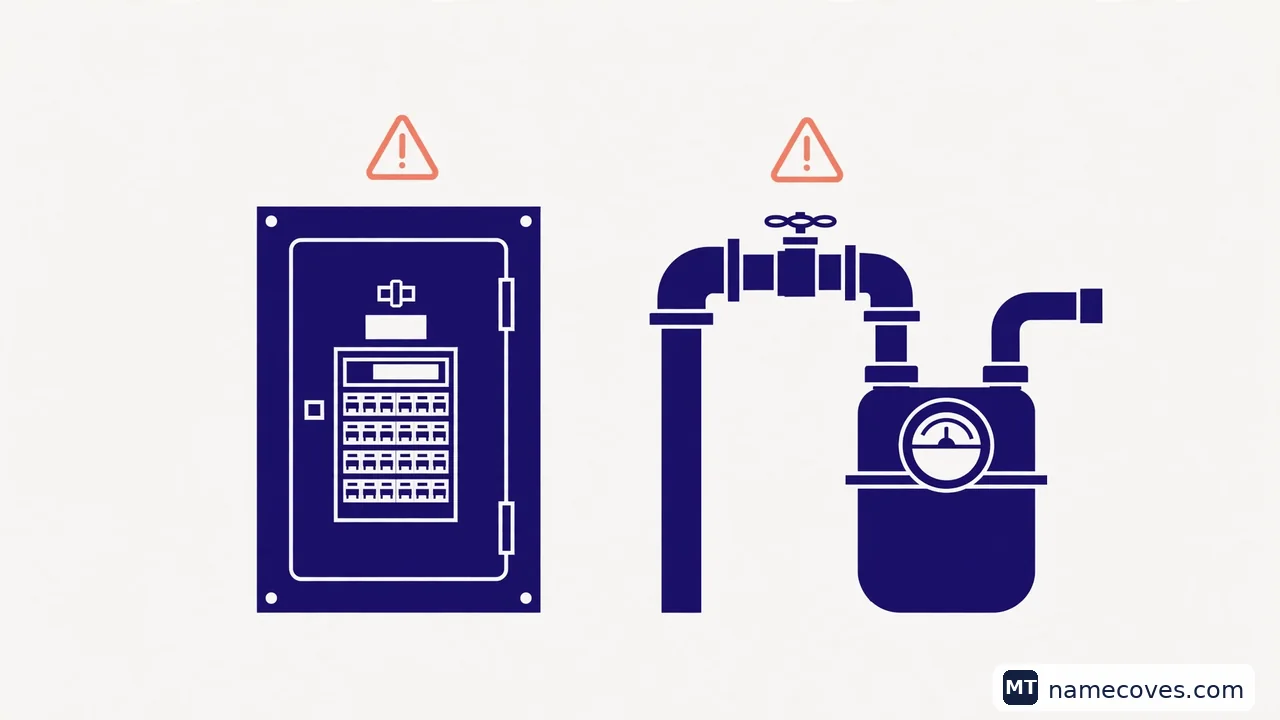
DIY has real limits, and they matter for safety. Electrical wiring, gas lines, major plumbing, and structural work belong with licensed professionals: a mistake can cause fire, flooding, or injury, and the law often requires a certified tradesperson. Saving money is never worth that risk.
There is also a language limit. In formal writing, a resume, an academic essay, or a business report, spell it out in full: “do it yourself.” The abbreviation belongs in conversation, stores, and online content, where its friendly tone fits.
Frequently Asked Questions
What does DIY mean in texting?
In texting, DIY means do it yourself. It usually appears before a project, “DIY gift” or “DIY costume,” showing the thing was made or fixed by the person, not bought ready-made.
What is the difference between DIY and handmade?
Handmade describes how an object was produced, by hand rather than machine. DIY describes who did the work: you, instead of a hired expert. A chair you build is both. A chair a craftsperson sells you is handmade, but not your DIY.
Is DIY a verb?
Yes. People commonly say “to DIY” a project, meaning to do it themselves, as in “We DIYed the whole renovation.” It is informal, so in formal writing, say “did it ourselves” instead.
Why is DIY so popular?
It saves money, teaches practical skills, and lets people shape things to their own taste. Free tutorials removed the biggest barrier, not knowing how, and the result carries a pride store bought versions cannot match.
Conclusion
DIY means do it yourself, and behind those three letters sits a simple idea: many things can be made, fixed, or improved by your own hands instead of bought ready made or handed to a professional. A repaired chair, a painted wall, a gift built at the kitchen table, all of it counts as DIY in the truest sense.
The word works because it describes an approach, not one single hobby. You can use it for a project, a store, a video, or a weekend plan, and everyone understands that no professional is involved. Start with small, safe jobs, learn from each one, and leave risky work like wiring and gas lines to trained people. Chosen well, DIY saves money, teaches skills, and turns an ordinary object into something with a story. That is why three small letters have become one of the most popular ideas on the internet today.