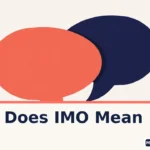
IMO is short for “in my opinion,” and people type it to show that a statement is their personal view, not a proven fact.
You will see it in text messages, social media comments, group chats, and gaming lobbies.
Placed before or after a claim, IMO softens it, so a strong opinion sounds less pushy or absolute.
Its close cousin IMHO adds an H for humble, or sometimes honest, and carries almost the same meaning.
You have probably seen it sitting under a bold claim: “IMO the sequel was better.” Three small letters do a lot of social work in that sentence. They warn every reader that the writer knows this is a judgment call. Without them, the same words read like a fact the writer expects everyone to accept.
People search for IMO because it appears everywhere opinions are traded quickly, and it has survived decades of internet slang. Online, tone is easy to lose, and a flat statement can sound like an attack. IMO restores a little humility in three keystrokes. This guide explains what it signals, how it differs from IMHO, and where it does not belong. It also shows the abbreviation working in real chats, so you can see its tone in action before you use it yourself.
IMO Stands for “In My Opinion”
The full phrase is “in my opinion.” Typing IMO instead is pure economy: in fast moving chats, nobody wants to write out four words every time they share a take. It does the same job as “I think” or “I feel like,” and it can sit at the start of a sentence (“IMO, the update ruined the game”) or trail at the end.
IMO grew out of early internet forums and chat rooms, where brevity was prized and regulars built a shared shorthand. You will also see it in lowercase as “imo”; capitalization changes nothing. People rarely say the letters out loud, since in speech the full phrase is just as easy.
How IMO Looks in Real Messages
Person A: “IMO the first season was way better.”
Person B: “Hard disagree, but fair.”
Interpretation: IMO flags a taste judgment, and Person B treats it as one, not a fact to correct.
Person A: “Should I take the morning flight?”
Person B: “Yes, IMO. Airport is calmer and you land by lunch.”
Interpretation: IMO turns advice into a personal recommendation instead of an instruction.
Person A: “imo we should skip the meeting and just share notes”
Interpretation: Lowercase imo keeps a suggestion light and open to pushback.
IMO vs. IMHO: Is There a Real Difference?
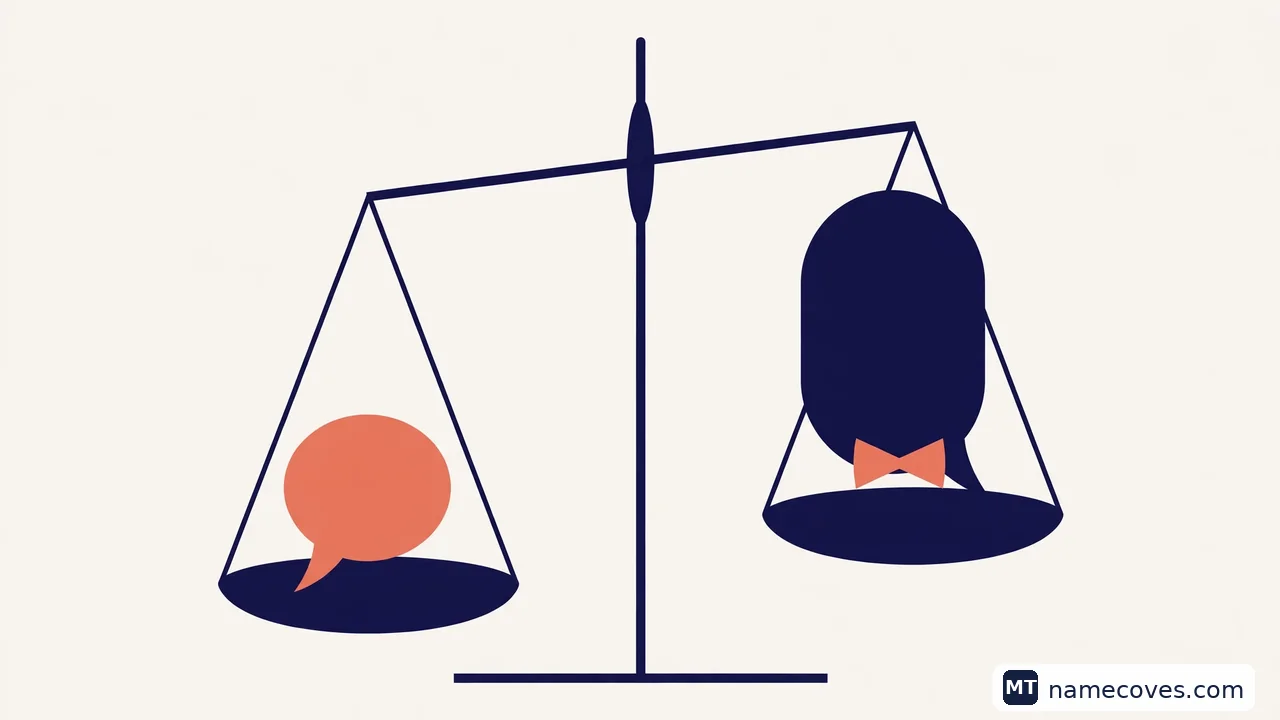
IMHO expands to “in my humble opinion,” and less often to “in my honest opinion.” In practice the two overlap almost completely, and readers register both as “this is just my view.” If there is a shade of difference, it is politeness: “humble” makes IMHO sound a touch more deferential, as if admitting they could be wrong.
That humility is not always sincere. In heated threads, IMHO is often used ironically, placed in front of a blunt statement to make it sting more, as in “IMHO, that take makes no sense at all.” IMO is plainer, more neutral, and more common. If you want to sound genuinely modest, the full words read warmer than either abbreviation.
Where IMO Works and Where It Does Not
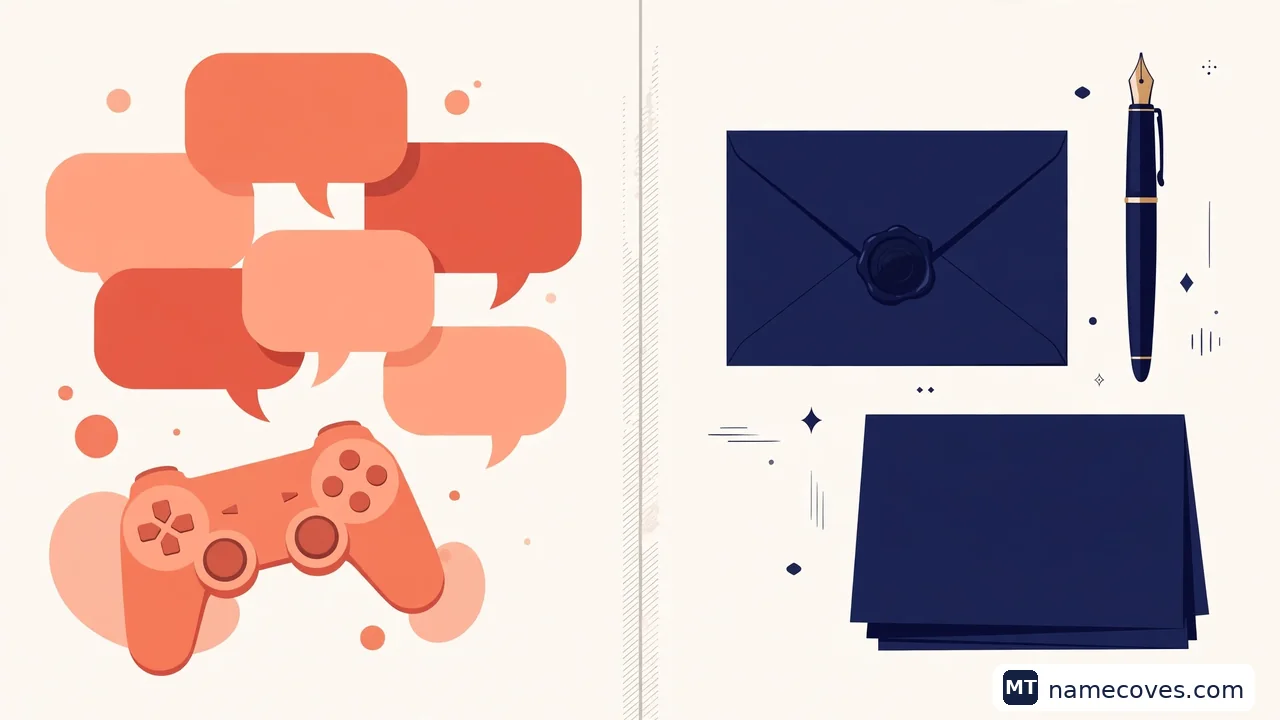
IMO is at home anywhere conversation is quick and informal. It also has clear limits:
- Fine to use: texts with friends, social media comments, gaming chat, fan forums, and relaxed group chats.
- Use with care: workplace chat tools. A quick “imo” to a close teammate is normal, but it adds nothing in messages to clients or senior managers.
- Avoid it: formal emails, job applications, academic essays, reports, and official documents. Write “I believe” or present your reasoning in full sentences instead.
- Never lean on it for facts: IMO cannot rescue a wrong claim, and attaching it to instructions or bad news makes you sound unsure.
Frequently Asked Questions
What does IMO mean in texting?
In texting, IMO means “in my opinion.” People use it to show that a message is a personal view or preference, not a fact. It sits at the start or end of the sentence.
Is IMO rude?
No, IMO is not rude. If anything, it usually makes a message politer, because it admits the statement is only one person’s view. Tone still depends on the opinion itself: a harsh take stays harsh even with IMO in front of it.
Can you use IMO at work?
It depends on the setting. In a casual chat with teammates who use shorthand themselves, imo is widely accepted. In emails to clients or senior managers, write the full phrase or skip it.
How is IMO different from IMHO?
IMO means “in my opinion,” while IMHO means “in my humble opinion” or “in my honest opinion.” IMHO sounds slightly more polite, though it is often used ironically before a blunt statement. Readers treat the two as interchangeable.
What to Remember About IMO
IMO is a small shortcut with a clear job: it marks a statement as your personal view rather than a proven fact. It fits texting, social media, and casual online discussion, where speed matters and opinions fly back and forth all day. In those spaces, it saves time and softens claims without changing their meaning.
Before using it, check the setting and the reader. A friend will read IMO as friendly honesty, while a manager, teacher, or client may read the full sentence as more respectful and more serious. When the message matters, spell the words out and let your reasoning carry the point. That small judgment call is the whole skill. Used in the right place, though, IMO keeps casual conversation quick, honest, and clear, and now you know exactly what it adds to a sentence and when to leave it out of one too, whichever serves readers best.