No one can say from experience what heaven looks like; every description we have comes from religious scriptures and traditions. In the Bible, heaven is pictured as a radiant city, the New Jerusalem, with streets of gold and gates of pearl. In Islam, paradise (Jannah) is described as gardens with flowing rivers, shade, and every comfort. The details differ by faith, and each tradition holds its own picture.
It is one of the first big questions children ask and one of the last ones adults wrestle with, often at a funeral, looking at a photograph of someone they have lost. The honest starting point is that this is a question about belief, not observation. No telescope, camera, or traveler has brought back a verified description.
What we can do accurately is lay out what the major traditions actually say, in their own terms, and where those pictures overlap. That is what this article does: scripture and tradition, attributed to each faith, without preaching for or against any of them.
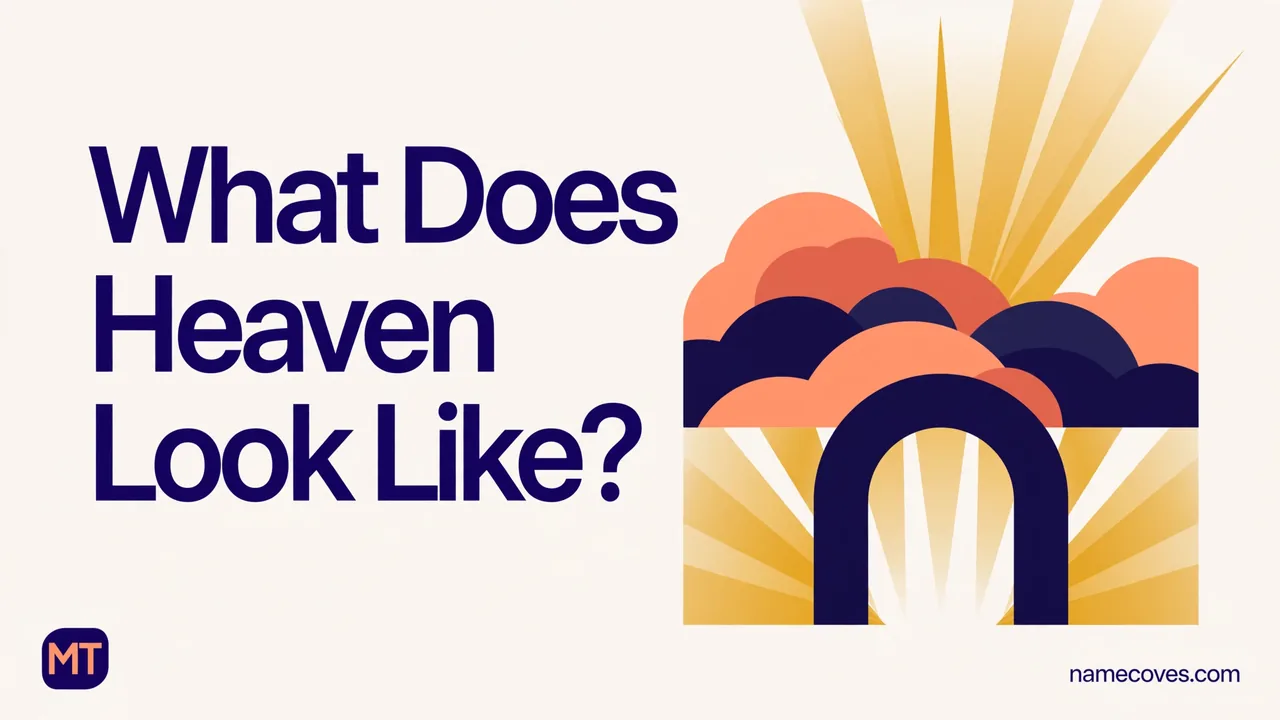
What Does Heaven Look Like?
Across traditions, descriptions of heaven share a loose family resemblance: light, beauty, peace, abundance, and the absence of suffering. Almost everything more specific than that belongs to one tradition or another. A Christian describing heaven from the book of Revelation and a Muslim describing Jannah from the Quran will paint scenes that feel similar in mood but differ in nearly every concrete detail.
It also helps to know that within each faith, believers read these descriptions in different ways. Some take the gold streets and garden rivers as literal features of a real place. Others read them as symbolic language for a joy and closeness to God that words cannot picture directly. Both readings exist inside the same traditions, so the descriptions below are best understood as what the texts say, with interpretation left to each reader’s faith.
Heaven in the Bible
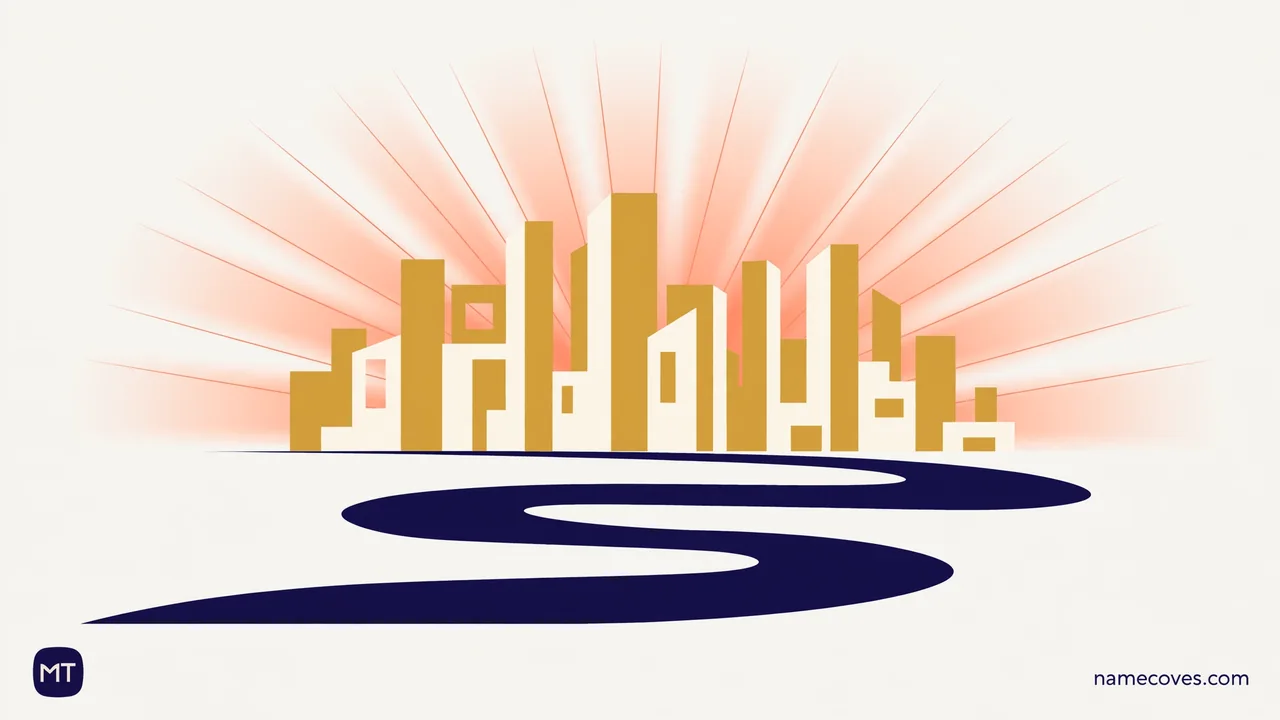
The Bible’s most detailed picture comes at its very end, in Revelation chapters 21 and 22. The apostle John’s vision describes a renewed heaven and earth centered on a city, the New Jerusalem, coming down from God. Its imagery includes:
- Walls of jasper and foundations decorated with precious stones
- Twelve gates, each made from a single pearl, and streets described as pure gold, transparent like glass
- A river of the water of life flowing from God’s throne, with the tree of life beside it
- No temple, no sun or moon, because, in the text’s own words, the glory of God gives the city its light
- No death, mourning, crying, or pain, and nothing impure entering it
Elsewhere, Jesus speaks of heaven more personally than architecturally, telling his disciples in John 14:2 that his Father’s house has many rooms and that he goes to prepare a place for them. Much of popular Christian imagery, such as clouds, harps, and winged angels in white, comes from later art and culture rather than from the biblical text itself, which is more city, garden, and throne room than cloudscape.
Heaven in Islam: Jannah
In Islam, paradise is called Jannah, an Arabic word whose root meaning is “garden.” The Quran returns to this picture repeatedly: gardens beneath which rivers flow, where the faithful are rewarded after death and judgment. Its descriptions emphasize:
- Rivers, including rivers of water, milk, honey, and wine that does not intoxicate
- Shade, fruit within easy reach, and food and drink of every kind the heart desires
- Fine garments, couches, and companionship, with spouses and family reunited
- Complete peace: no fatigue, grief, illness, or idle and harmful speech
- Levels or degrees of paradise, with the highest called Firdaws
Islamic teaching also holds that Jannah contains what, in a well-known saying of the Prophet Muhammad recorded in hadith collections, “no eye has seen, no ear has heard, and no human heart has conceived,” so the garden imagery is understood by many Muslims as a glimpse scaled to human imagination rather than a full inventory.
Heaven in Other Traditions

Judaism speaks of Gan Eden, the Garden of Eden, and of Olam Ha-Ba, the world to come. The Hebrew Bible itself says far less about the afterlife than later Jewish teaching, which developed pictures of a paradise garden where the righteous rest and study. Imagery tends to be restrained compared with Revelation or the Quran.
Hinduism describes Svarga, a heavenly realm ruled by the god Indra, filled with pleasure, music, and beauty. Crucially, Svarga is not final: it is a temporary reward within the cycle of rebirth, and the ultimate goal, moksha, is liberation from that cycle altogether rather than a better heaven.
Buddhism likewise includes heavenly realms (devaloka) in its cosmology, pleasant long-lived worlds that are still impermanent and still inside samsara, the cycle of rebirth. Some Mahayana traditions also revere pure lands, such as Amitabha Buddha’s Sukhavati, pictured as a jewel-filled land of light and lotus ponds, where rebirth makes enlightenment easier to reach.
What About Near-Death Experiences?
Many people asking this question have heard accounts from near-death experiences: tunnels, bright light, deceased relatives, and an overwhelming sense of peace and love. These reports are widely discussed and genuinely meaningful to the people who have them. As evidence about heaven’s appearance, though, they are personal testimony rather than verification, and they tend to reflect the reporter’s own culture and faith. Traditions themselves differ on how much weight to give them, so the careful summary is: NDE accounts often rhyme with scriptural themes of light and peace, but they add no settled, checkable description.
FAQs
Does the Bible really describe streets of gold?
Yes. Revelation 21 describes the main street of the New Jerusalem as pure gold, transparent like glass, along with gates of pearl and foundations of precious stones. Believers differ on how literally to read the vision.
Do all religions picture heaven the same way?
No. The mood of light, peace, and abundance recurs, but the details are distinct: a jeweled city in Revelation, garden rivers in the Quran, a temporary pleasure realm in Hinduism, and pure lands in some Buddhist traditions.
Is heaven a physical place?
That depends on the tradition and the believer. Many Christians and Muslims affirm heaven as a real place; both faiths also include voices that treat the geography as symbolic of spiritual realities. There is no single answer shared across religions.
Where do clouds and harps come from?
Mostly from centuries of Western art, hymns, and cartoons. The biblical descriptions themselves focus on a city, a throne, a river, and a garden rather than clouds.
What Should You Remember About Heaven?
Every picture of heaven you will ever meet comes from a text or a tradition, and each tradition paints its own. Read Revelation and you get a radiant city of gold and gates of pearl; read the Quran and you get gardens and rivers in endless shade. The overlap is mood, light, peace, and the end of suffering. The details belong to the faiths that hold them.
So the accurate way to answer a child, a friend, or yourself is to name the source: “In the Bible, heaven is described as…” or “Muslims believe paradise is…” That small attribution keeps the conversation honest, respects every tradition at the table, and leaves room for the mystery that all of these texts, in their own way, say exceeds what words can show.