BCE stands for “Before Common Era.” It labels years before the start of the Common Era, the year-numbering system used around the world. BCE covers exactly the same years as BC (“Before Christ”): 500 BCE and 500 BC are the same year. Writers use BCE, and its partner CE (“Common Era,” matching AD), to date history without religious wording.
You will meet BCE on museum labels, in history textbooks, and in articles about the ancient world, sometimes in the same book that uses BC elsewhere. The switch in wording puzzles many readers, who wonder if a different calendar is involved. It is not: only the labels changed, never the numbers.
This page explains what BCE means, how the letters break down, how it compares with BC, AD, and CE, and why so many publishers now prefer it.
What Does BCE Mean?
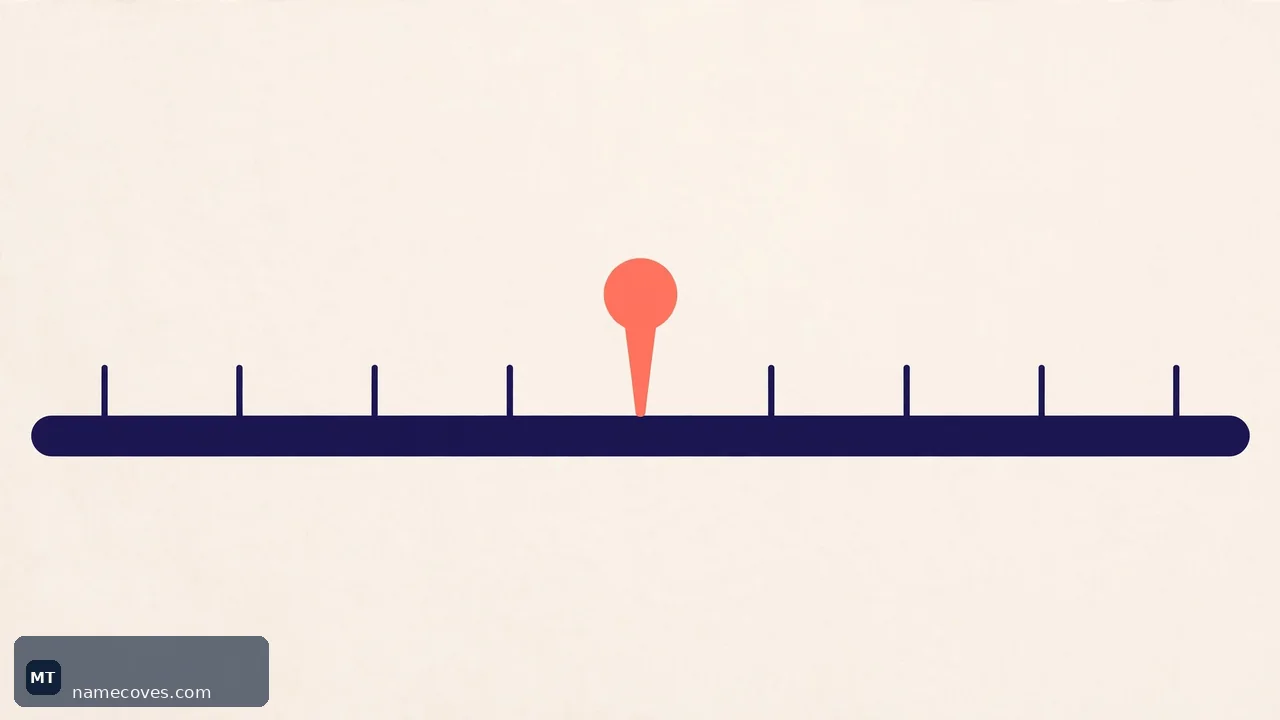
BCE means Before Common Era: the period before year 1 of the Common Era. Years count backward as they get older, so 200 BCE is earlier than 100 BCE, and the sequence runs down to 1 BCE, followed immediately by 1 CE. There is no year zero in this system, a quirk inherited from the calendar it relabels.
The dividing line itself comes from the traditional Christian calendar, which set year 1 at the estimated birth year of Jesus. BCE keeps that same dividing line and the same year numbers used worldwide. What changes is only the name given to the eras, replacing religious terms with the neutral word “Common,” meaning the era everyone now shares for dating.
What Does Each Letter Stand For?

BCE is an initialism, and each letter comes from the phrase “Before Common Era”:
- B — Before
- C — Common
- E — Era
Its matching term works the same way: CE stands for “Common Era” and covers the years from 1 CE to the present, the same span labeled AD. Place BCE after the year number, as in “1200 BCE,” exactly where BC would go.
How Is BCE Different From BC, AD, and CE?
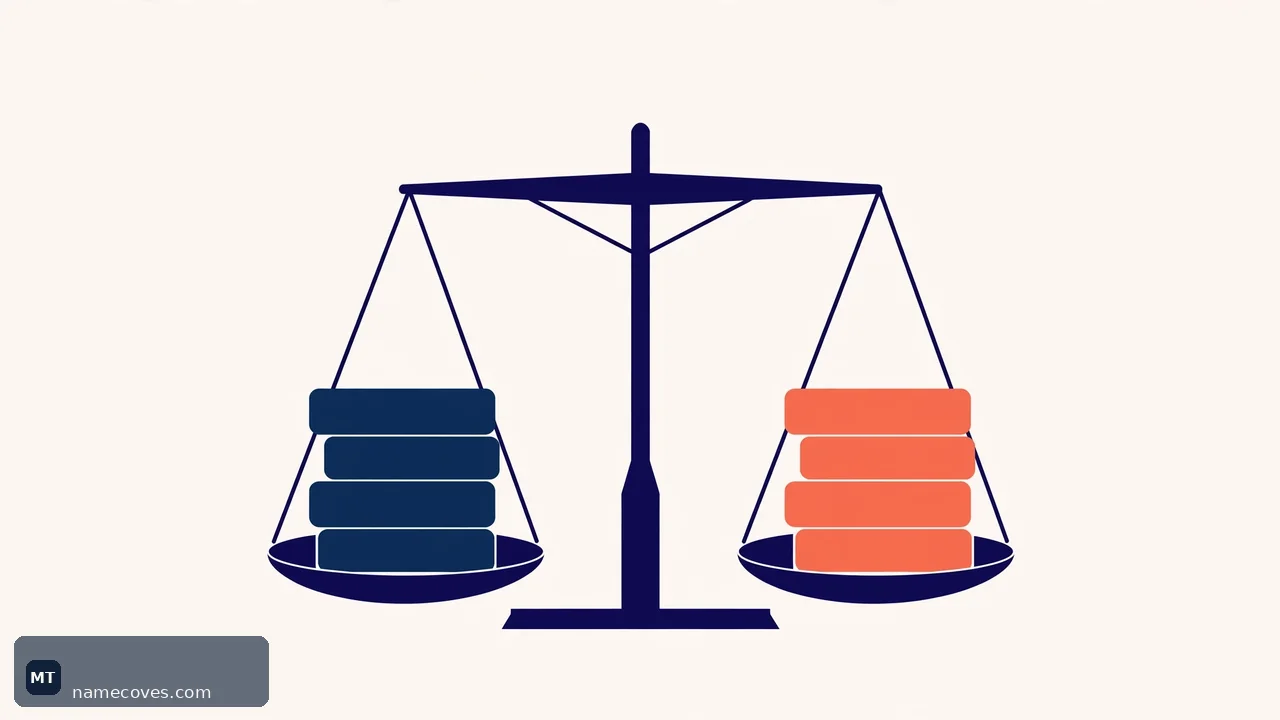
All four labels belong to one system with two eras. The honest summary is that the numbers never differ; only the framing does:
| Label | Stands for | Years covered | Framing |
|---|---|---|---|
| BCE | Before Common Era | Years before 1 CE, counting backward | Neutral, academic |
| BC | Before Christ | Exactly the same years as BCE | Explicitly Christian wording |
| CE | Common Era | Year 1 to the present | Neutral, academic |
| AD | Anno Domini (“in the year of the Lord”) | Exactly the same years as CE | Explicitly Christian wording, in Latin |
So a sentence can switch systems without changing facts: the Roman Republic was founded in 509 BCE, which older books print as 509 BC. One more label appears in archaeology: BP, “Before Present,” used mainly for radiocarbon dates, counts back from 1950 rather than from year 1, and belongs to lab reports more than history books.
Why Do People Use BCE Instead of BC?
The main reason is neutrality. Historians, museums, universities, and many publishers write for readers of every religion and none, and BCE/CE lets them use the world’s standard dating system without Christian wording. Jewish scholars were among the early adopters of Common Era terminology in the 19th century, since the system let them use standard dates without affirming another faith’s terms, and academic publishing spread the convention widely during the 20th century.
English writers had used the phrase “Common Era” as early as the 1700s, so the terms are not a recent invention, just a recently dominant one. Neither system is more accurate: the calendar’s dividing line is traditional rather than exact, and both BCE and BC inherit it unchanged. The choice between them is a matter of audience and house style, not correctness.
FAQs
Is BCE the same as BC?
Yes, in every date. 500 BCE and 500 BC are the identical year. Only the wording differs: one is religious, the other neutral.
Does CE mean Christian Era?
No. CE stands for Common Era. The similarity causes frequent confusion, but “Common” is the documented expansion.
Which came first, 1 BCE or 1 CE?
1 BCE comes immediately before 1 CE. There is no year zero between them in this system.
How do I write a BCE date?
Put the label after the number: “around 3000 BCE” for the era of the earliest Egyptian pyramids. For a range, “200 to 100 BCE” is clear.
Is it wrong to use BC and AD?
No. Both systems are correct and widely understood. Many religious and general-interest publications still use BC and AD, while academic and museum writing leans toward BCE and CE.
What Should You Remember About BCE?
BCE means Before Common Era, and it renames the BC years without moving a single one of them. The rule that matters is equivalence: whenever you see BCE, you can read it as BC, and whenever you see CE, you can read it as AD. The calendar, the dividing line, and the year numbers stay exactly the same.
When you write dates yourself, pick the pair your audience expects, BCE/CE for academic and general readers or BC/AD where that is the house style, and stay consistent within a piece. Mixing systems in one document is the only real mistake to avoid.