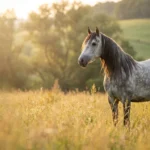
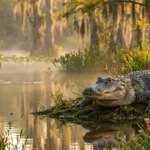
There is something wonderfully strange about the English language: animals rarely get to gather in an ordinary “group.” Lions have a pride, wolves have a pack, owls have a parliament, and crows have a murder.
These expressions are called collective nouns. Some are everyday words used naturally in modern English, while others are traditional or literary terms that survive mostly because they are memorable and fun.
Whether you are looking for the correct group name for an animal, building a classroom list, naming a wildlife-themed project, writing fiction, or simply collecting fascinating animal vocabulary, this guide brings the most useful and distinctive terms together.
What Are Groups of Animals Called?
A group of animals is usually described with a collective noun, a word that treats several animals as one unit.
For example:
- A group of lions is a pride
- A group of wolves is a pack
- A group of elephants is a herd
- A group of birds is a flock
- A group of fish is a school
- A group of bees is a swarm
- A group of dolphins is a pod
Cambridge defines a collective noun as a noun that describes a group of things or people as a unit.
The interesting part is that animal group names are not equally common. Herd, flock, pack, school, colony, and swarm are normal vocabulary. Terms such as parliament of owls, murder of crows, or shrewdness of apes are much more colorful and are often encountered in quizzes, literature, educational content, and word lists.
Quick Overview of Animal Group Names
| Animal | Group Name | Vibe |
| Lions | Pride | Regal, powerful |
| Wolves | Pack | Wild, loyal |
| Elephants | Herd | Strong, familial |
| Crows | Murder | Dark, mysterious |
| Owls | Parliament | Wise, intellectual |
| Dolphins | Pod | Playful, intelligent |
| Fish | School | Fluid, coordinated |
| Bees | Swarm | Busy, energetic |
| Geese | Gaggle | Playful, chaotic |
| Giraffes | Tower | Elegant, distinctive |
| Flamingos | Flamboyance | Colorful, glamorous |
| Rhinos | Crash | Bold, dramatic |
| Kangaroos | Mob | Wild, energetic |
| Starlings | Murmuration | Dreamy, celestial |
| Monkeys | Troop | Social, lively |
Most Popular Collective Names for Animals
If you only want the animal group names people are most likely to recognize, start here.
Pride of Lions
Pride is one of the strongest collective nouns in English. It immediately suggests leadership, confidence, royalty, and strength.
A pride of lions is both a factual animal term and an exceptionally strong naming phrase. It works beautifully for wildlife writing, fictional kingdoms, sports teams, gaming groups, and fantasy communities.
Naming profile
- Meaning: A group of lions
- Origin: English collective-noun tradition
- Language: English
- Gender: Neutral
- Pronunciation: pride
- Personality vibe: Powerful, confident, protective
- Social impression: Regal and authoritative
- Aesthetic: Royal, bold, luxury, masculine
- Modern vs. classic: Classic, but still highly recognizable
- Nicknames: Pride
- Similar group names: Pack, troop, coalition
Pack of Wolves
Pack is the classic collective noun associated with wolves and dogs. It carries a very different emotional energy from pride.
Where “pride” feels royal, “pack” feels tribal and loyal.
It is especially effective for names connected with adventure, gaming, fantasy, outdoor culture, and fictional worlds.
Naming profile
- Meaning: A group of wolves or dogs
- Origin: English
- Language: English
- Gender: Neutral
- Pronunciation: pack
- Personality vibe: Loyal, strategic, fearless
- Social impression: United and resilient
- Aesthetic: Dark, wilderness, adventure
- Modern vs. classic: Timeless
- Nicknames: Pack
- Similar names: Pride, troop, clan
Herd of Elephants
Herd has a grounded, natural feeling. It suggests family, protection, stability, and collective movement.
It is also one of the most practical animal group words and can describe many large mammals, including elephants and cattle.
Flock of Birds
Flock is perhaps the most useful general group word for birds.
Unlike some of the more unusual collective nouns, it does not feel literary or obscure. You can naturally say “a flock of birds” in everyday conversation.
School of Fish
A school of fish has a particularly beautiful visual quality. Hundreds of individual fish can move as though they are one coordinated body.
That makes School an appealing metaphor for teamwork, learning, movement, and unity.
Swarm of Bees
A swarm is strongly associated with bees and other insects. It suggests energy, activity, coordination, and overwhelming movement.
It is a more intense word than “colony,” making it especially suitable for dramatic or action-oriented naming.
Colony of Ants
Colony emphasizes organization rather than chaos.
Ant colonies are famous for cooperation and complex social structures, so the word naturally evokes teamwork, systems, discipline, and collective effort.
Beautiful and Unusual Animal Group Names
This is where animal vocabulary becomes genuinely fun.
Some collective nouns seem almost designed for storytelling.
Parliament of Owls
A parliament of owls is one of the most recognizable unusual animal group names.
The association feels almost inevitable: owls are culturally connected with wisdom, observation, mystery, and intelligence, while “parliament” suggests discussion and deliberation.
It has an unmistakably literary and fantasy-friendly aesthetic.
Murder of Crows
A murder of crows is probably the most famous dark collective noun.
The word creates an immediate gothic atmosphere: black birds, old trees, fog, abandoned buildings, mystery, and folklore.
For a fictional group, Halloween project, dark fantasy community, or gothic aesthetic, Murder has far more dramatic impact than the ordinary word “flock.”
Murmuration of Starlings
Murmuration is especially beautiful because it describes more than simply “a group.”
It is associated with the spectacular coordinated formations created by large numbers of starlings in flight. The word therefore feels fluid, atmospheric, and almost magical.
Aesthetic: Celestial, dreamy, cinematic, ethereal.
Tower of Giraffes
A tower of giraffes is one of the easiest unusual collective nouns to remember.
The image is wonderfully literal: several extraordinarily tall animals standing together resemble a living tower.
Flamboyance of Flamingos
Flamboyance feels almost tailor-made for flamingos.
It evokes color, theatricality, confidence, elegance, and visual extravagance.
For a creative project or fictional group, this is one of the most expressive animal group names available.
Crash of Rhinos
A crash of rhinos sounds exactly as dramatic as the animals themselves.
It is short, memorable, energetic, and slightly humorous.
Shrewdness of Apes
Shrewdness gives a group of apes an intellectual quality.
It is much more literary than everyday conversational English, which makes it interesting for word games, trivia, fantasy writing, and educational lists.
Unkindness of Ravens
An unkindness of ravens has a distinctly gothic personality.
It feels darker and more poetic than the ordinary word “group,” making it particularly attractive for fantasy, horror, mystery, and literary naming.
Animal Group Names by Personality and Aesthetic
Sometimes the best way to choose a group name is not by animal species, but by vibe.
Regal and Powerful
If you want a name that feels commanding:
| Group Name | Animal | Personality |
| Pride | Lions | Royal, fearless |
| Tower | Giraffes | Grand, elegant |
| Convocation | Eagles | Ceremonial, elevated |
| Muster | Peacocks | Formal, impressive |
| Coalition | Cheetahs | Strategic, powerful |
| Crash | Rhinos | Forceful, dramatic |
Dark and Mysterious
For gothic, fantasy, Halloween, or mysterious aesthetics:
| Group Name | Animal | Personality |
| Murder | Crows | Gothic, ominous |
| Unkindness | Ravens | Dark, literary |
| Parliament | Owls | Mysterious, intellectual |
| Skulk | Foxes | Secretive, clever |
| Shrewdness | Apes | Strange, cerebral |
Soft and Whimsical
For cute, playful, or cozy naming:
| Group Name | Animal | Personality |
| Gaggle | Geese | Funny, chaotic |
| Kindle | Kittens | Warm, adorable |
| Litter | Puppies | Playful, affectionate |
| Flamboyance | Flamingos | Colorful, cheerful |
| Charm | Goldfinches | Delicate, bright |
Wild and Adventurous
| Group Name | Animal | Personality |
| Pack | Wolves | Loyal, wild |
| Troop | Monkeys | Energetic, social |
| Mob | Kangaroos | Bold, lively |
| Herd | Elephants | Strong, united |
| Swarm | Bees | Relentless, energetic |
100+ Groups of Animals and Their Collective Names
Here is a practical reference list. Keep in mind that some species have multiple traditional terms, and rare expressions may be literary rather than everyday usage. Collins, for example, lists multiple alternatives for many animals, including several different terms for birds, fish, mammals, and insects.
Mammals
| Animal | Group Name |
| Apes | Shrewdness |
| Baboons | Troop |
| Bears | Sloth |
| Beavers | Colony |
| Buffalo | Herd |
| Camels | Caravan |
| Cheetahs | Coalition |
| Cows | Herd |
| Deer | Herd |
| Donkeys | Herd |
| Elephants | Herd |
| Ferrets | Business |
| Foxes | Skulk |
| Giraffes | Tower |
| Goats | Herd |
| Gorillas | Troop |
| Hippopotamuses | Bloat |
| Horses | Herd |
| Kangaroos | Mob |
| Leopards | Leap |
| Lions | Pride |
| Monkeys | Troop |
| Mules | Pack |
| Otters | Raft |
| Oxen | Yoke |
| Pandas | Embarrassment |
| Pigs | Sounder |
| Rabbits | Nest |
| Rhinoceroses | Crash |
| Seals | Herd |
| Sheep | Flock |
| Squirrels | Scurry |
| Tigers | Ambush |
| Whales | Pod |
| Wolves | Pack |
Birds
| Animal | Group Name |
| Birds | Flock |
| Crows | Murder |
| Doves | Flight |
| Eagles | Convocation |
| Flamingos | Flamboyance |
| Geese | Gaggle |
| Goldfinches | Charm |
| Hawks | Cast |
| Hens | Brood |
| Owls | Parliament |
| Parrots | Pandemonium |
| Partridges | Covey |
| Peacocks | Muster |
| Pheasants | Nest |
| Pigeons | Flock |
| Quails | Bevy |
| Ravens | Unkindness |
| Sparrows | Host |
| Starlings | Murmuration |
| Swallows | Flight |
| Swans | Bevy |
| Turkeys | Rafter |
Many of these traditional bird terms appear in historical collective-noun lists, while “flock” remains the most broadly useful general expression.
Sea Animals and Fish
| Animal | Group Name |
| Dolphins | Pod |
| Fish | School |
| Herring | Shoal |
| Jellyfish | Smack |
| Porpoises | Pod |
| Salmon | Run |
| Sharks | Shiver |
| Stingrays | Fever |
| Whales | Pod |
| Oysters | Bed |
For fish, school and shoal are both familiar group words, although their use can depend on the species and context.
Insects and Small Creatures
| Animal | Group Name |
| Ants | Colony |
| Bees | Swarm |
| Butterflies | Kaleidoscope |
| Flies | Swarm |
| Gnats | Cloud |
| Locusts | Plague |
| Mosquitoes | Swarm |
| Spiders | Cluster |
| Wasps | Nest |
| Worms | Bed |
These terms are particularly useful when you want a name with a strong visual feeling. Kaleidoscope, for example, feels colorful and artistic, while swarm feels energetic and intense.
Best Animal Group Names for Creative Projects
Not every collective noun works equally well as a modern name.
If you are naming a team, gaming squad, social media community, fictional faction, classroom group, pet group, or creative project, think about the emotional impression first.
For a Gaming Clan
Strong choices include:
- Pack
- Pride
- Coalition
- Ambush
- Troop
- Convocation
- Swarm
Pack feels loyal and battle-ready.
Pride feels dominant.
Ambush feels tactical.
For a Fantasy Group
Try:
- Parliament
- Unkindness
- Shrewdness
- Convocation
- Pride
- Murmuration
- Flamboyance
These names sound more like something you might encounter in a fantasy novel than an ordinary classroom.
For a Cute Pet Group
Consider:
- Kindle
- Litter
- Flock
- Raft
- Charm
- Nest
- Colony
Kindle is particularly charming for kittens, while nest works beautifully for small, cozy animal groups.
For a School or Classroom
The best choices are usually easy to understand:
- Team
- Herd
- Flock
- Colony
- School
- Troop
For younger learners, familiar words are generally more useful than obscure historical terms.
The Most Aesthetic Animal Group Names
If you’re choosing names for Pinterest boards, Instagram communities, fictional worlds, digital projects, or themed collections, some collective nouns stand out visually.
Minimalist
- Pack
- Pride
- Herd
- Flock
- Pod
- Troop
Short words create a clean, modern impression.
Dark Academia
- Parliament
- Convocation
- Unkindness
- Murder
- Shrewdness
These have an old-world, literary quality that fits dark academia and gothic aesthetics particularly well.
Cottagecore
- Flock
- Nest
- Colony
- Gaggle
- Bevy
- Herd
These feel pastoral, natural, and gentle.
Fantasy
- Pride
- Parliament
- Ambush
- Shrewdness
- Unkindness
- Murmuration
- Flamboyance
Fantasy naming often benefits from words that already sound slightly unusual.
Modern Luxury
- Pride
- Coalition
- Convocation
- Flamboyance
- Tower
These carry a polished, elevated feeling without requiring an invented word.
Which Animal Group Names Are Actually Common?
This distinction is important.
Online lists often present dozens or even hundreds of unusual animal collective nouns as though they are all equally standard. They are not.
Herd, flock, pack, school, swarm, colony, pride, pod, and troop are useful, recognizable vocabulary.
Terms such as murder, parliament, murmuration, tower, and flamboyance are recognizable but more specialized.
Other colorful expressions may be traditional, historical, regional, literary, or simply uncommon. Collins’ extensive list demonstrates how many animals have several competing collective nouns.
So if you are writing something formal, don’t feel obligated to use the rarest possible term.
“A group of owls” is always understandable. “A parliament of owls” is more colorful.
That difference is one of the most useful things to understand about animal group names.
Where Did These Strange Animal Group Names Come From?
Many traditional English animal group names are connected with an old tradition of naming groups of animals, particularly in hunting and hawking culture.
The Boke of St. Albans, printed in 1486, is an important historical source associated with lists of terms for animals and birds. The British Library also records earlier manuscripts containing lists of collective nouns for different types of birds.
Over time, some expressions remained part of ordinary vocabulary, while others became literary curiosities.
That is why the English language contains such a fascinating mixture:
pride of lions feels natural,
pack of wolves feels familiar,
while unkindness of ravens feels almost like a line from a fantasy novel.
The historical background also explains why some online lists should be treated carefully. A traditional term appearing in an old vocabulary list does not necessarily mean modern speakers use it regularly.
Animal Group Names and Modern Internet Culture
There is a reason unusual collective nouns perform so well as modern content.
They are:
- Short
- Surprising
- Easy to visualize
- Highly shareable
- Perfect for quizzes
- Good for Pinterest graphics
- Strong for short-form educational videos
- Naturally suited to “Did you know?” content
Words such as murder, parliament, flamboyance, and murmuration have particularly strong visual identities.
They can also fit modern aesthetic communities.
A gothic creator may gravitate toward murder of crows.
A fantasy writer may prefer parliament of owls.
A luxury-themed project might choose pride of lions.
A dreamy visual board might naturally suit murmuration of starlings.
The name becomes more than a grammatical label. It becomes a mood.
Naming Profile: The Standout Collective Nouns
For the most distinctive terms, here is a compact naming analysis.
| Name | Animal | Personality | Aesthetic | Modern Feel |
| Pride | Lions | Powerful | Royal | Strong |
| Pack | Wolves | Loyal | Wild | Strong |
| Parliament | Owls | Wise | Dark Academia | Stylish |
| Murder | Crows | Mysterious | Gothic | Edgy |
| Murmuration | Starlings | Dreamy | Celestial | Artistic |
| Flamboyance | Flamingos | Playful | Colorful | Trendy |
| Tower | Giraffes | Elegant | Nature | Distinctive |
| Unkindness | Ravens | Dark | Gothic | Unusual |
| Shrewdness | Apes | Intelligent | Literary | Rare |
| Coalition | Cheetahs | Strategic | Modern | Sophisticated |
| Skulk | Foxes | Clever | Woodland | Quirky |
| Charm | Goldfinches | Delicate | Cottagecore | Soft |
A Note About “Lucky” Attributes
Because these are collective nouns rather than personal given names, attributes such as lucky numbers, lucky colors, gemstones, lucky days, zodiac signs, and numerology values do not have established factual associations with words like Pride, Pack, or Parliament.
Assigning those values as facts would be misleading.
If a website chooses to provide them for entertainment, branding, or creative naming, they should be clearly labeled as modern numerology or aesthetic interpretations, not historical meanings or verified cultural traditions.
The same principle applies to symbolism: the dictionary meaning of a collective noun should be separated from the emotional interpretation a modern reader may attach to it.
How to Choose the Right Animal Group Name
If you’re choosing a group name rather than simply looking up a fact, use the animal’s personality as your starting point.
1. Think About the Animal
A wolf group naturally suggests pack.
A lion group suggests pride.
An owl group suggests parliament.
Start with the animal before worrying about aesthetics.
2. Decide on the Mood
Ask what you want people to feel.
Powerful: Pride, coalition, herd
Mysterious: Murder, parliament, unkindness
Cute: Kindle, litter, nest
Elegant: Tower, murmuration, flamboyance
Adventurous: Pack, troop, mob
3. Consider Pronunciation
A beautiful word is less useful if your audience constantly mispronounces it.
For example, murmuration is more elaborate than pack, while flamboyance is immediately recognizable to many English speakers but has more syllables.
For a short brand or username, simpler words are usually easier to remember.
4. Think About Social Impression
Compare:
The Wolf Pack
with:
The Wolf Herd
Both communicate a group, but “pack” immediately creates a stronger cultural image.
The best collective nouns work because the word already carries an emotional personality.
5. Check Cultural Fit
Animal symbolism varies between cultures.
A crow may evoke intelligence, mystery, death, or spirituality depending on the cultural context. A wolf can symbolize loyalty and family in one setting and danger or wilderness in another.
So the strongest name is not necessarily the strangest one. It is the one whose emotional meaning matches your audience.
Frequently Asked Questions About Groups of Animals
What is a group of animals called?
A group of animals can be called a group, but many animals have specific collective nouns. Examples include a herd of elephants, a pack of wolves, a pride of lions, and a flock of birds.
What is a group of lions called?
A group of lions is called a pride.
What is a group of wolves called?
A group of wolves is called a pack.
What is a group of elephants called?
A group of elephants is generally called a herd.
What is a group of owls called?
A traditional collective noun for owls is a parliament.
What is a group of crows called?
A traditional collective noun for crows is a murder.
What is a group of fish called?
A group of fish can be called a school or shoal, depending on context and usage.
What is a group of dolphins called?
A group of dolphins is commonly called a pod.
What is a group of bees called?
A group of bees is commonly called a swarm.
What is a group of geese called?
A group of geese is commonly called a gaggle when on the ground. A skein is traditionally used for geese flying in formation.
What is a group of giraffes called?
A traditional collective noun for giraffes is a tower.
What is a group of flamingos called?
A traditional collective noun for flamingos is a flamboyance.
Are all animal group names commonly used?
No. Some are ordinary modern vocabulary, while others are rare, traditional, literary, or mainly used for trivia and wordplay. When in doubt, simply saying “a group of…” is perfectly clear.
Final Thoughts
Animal group names are one of those small corners of language where history, nature, storytelling, and personality collide.
A pride feels powerful.
A pack feels loyal.
A parliament feels intelligent.
A murder feels mysterious.
A murmuration feels almost magical.
And that is what makes these words so much more interesting than simply saying “a group.”
If you’re choosing one for a project, character, community, fictional world, or creative collection, don’t just choose the rarest term you can find. Choose the word whose sound, history, imagery, and emotional personality fit what you are trying to create.
The best animal group name should feel like it belongs there.