Poison oak is a plant with clusters of three leaflets that look like small oak leaves, often glossy, green in spring and summer and red or orange in fall. It grows as a shrub or vine in much of North America. Touching it can cause an itchy, red, blistery rash from an oil in the plant called urushiol.
You come home from a hike or a day of yard work, and by the next morning a red, itchy streak has appeared on your ankle. The first question everyone asks is the same: was that poison oak? Answering it means knowing two things, what the plant looks like on the trail, and what its rash looks like on skin.
The two do not always arrive together. The plant is easiest to identify in daylight with its leaves in view, while the rash shows up hours or days later, far from the plant itself. This guide covers both, plus how poison oak differs from its close relatives, poison ivy and poison sumac.
What Does Poison Oak Look Like?
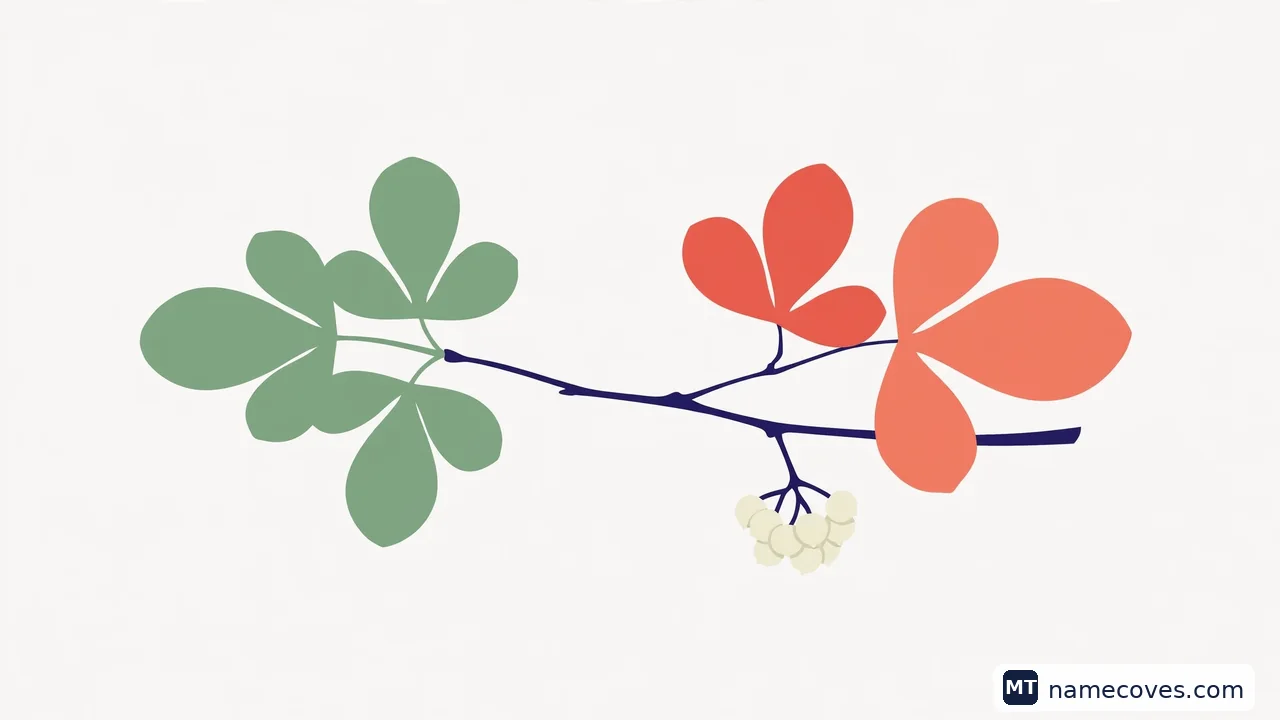
The most reliable clue is the leaf pattern. According to the Centers for Disease Control and Prevention (CDC), poison oak leaves grow in clusters of three leaflets, which is the source of the old saying “leaves of three, let it be.” The leaflets are often lobed or toothed, which makes them resemble small oak leaves, and young leaves can look glossy.
Color changes with the season. Leaves are bright green in spring, deepen through summer, and often turn red, orange, or russet in fall before dropping. The plant may also grow small clusters of off-white or greenish berries. In winter the leaves fall, but the bare stems can still carry urushiol and cause a rash.
Growth habit varies by region and species. Pacific poison oak, common along the West Coast, grows as a shrub or a climbing vine. Atlantic poison oak, found in the southeastern United States, is usually a low shrub or ground cover. Both share the three-leaflet pattern, which is the feature to trust.
What Does a Poison Oak Rash Look Like?
The rash is an allergic reaction to urushiol, the oil found in the plant’s leaves, stems, and roots. Not everyone reacts, but most people are sensitive to it. According to the CDC, the rash usually appears 12 to 72 hours after contact, which is why people often cannot connect it to a specific plant.
Typical signs include redness, intense itching, swelling, and bumps or blisters, often arranged in lines or streaks where the plant brushed the skin. Blisters may weep and then crust over. The rash itself is not contagious: you cannot spread it to another person by touch, although urushiol left on clothing, tools, or pet fur can cause a new reaction until it is washed off.
How Is Poison Oak Different from Poison Ivy and Poison Sumac?
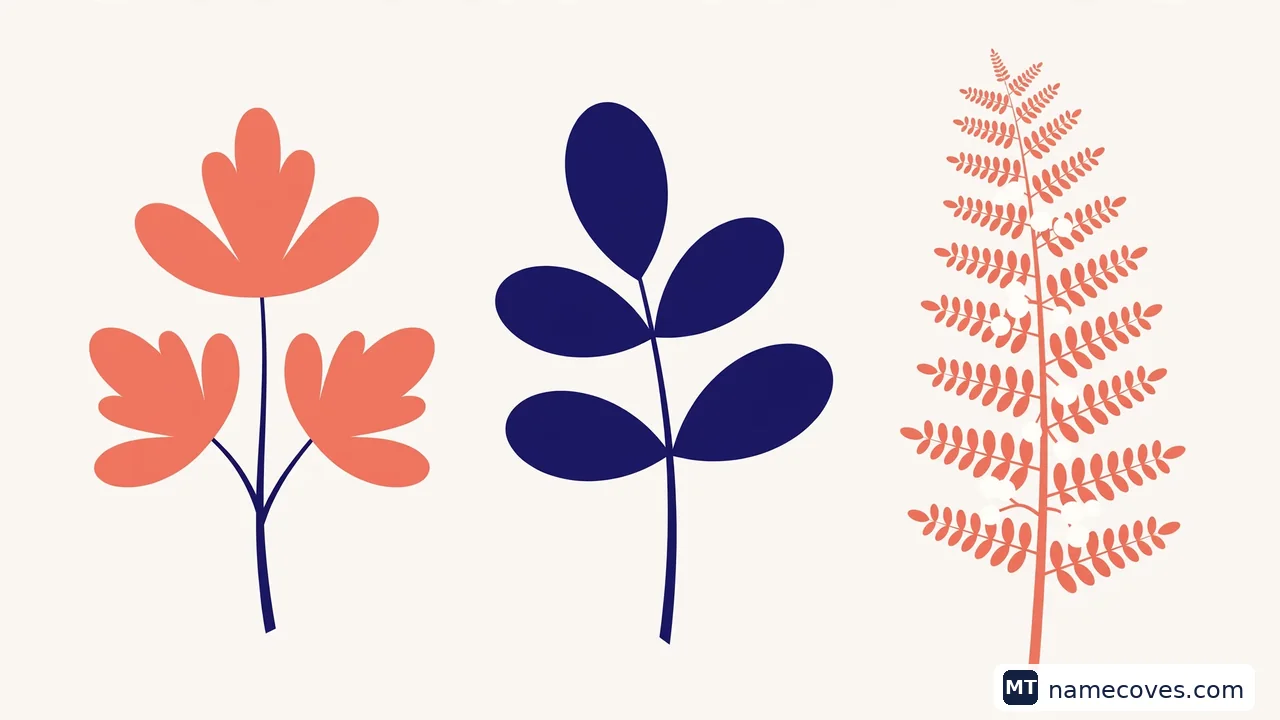
All three plants contain urushiol and cause a similar rash, so telling them apart is mostly about leaves and habitat.
| Plant | Leaves | Typical Growth | Where It Is Common |
|---|---|---|---|
| Poison oak | Three leaflets, often lobed like oak leaves | Shrub, ground cover, or vine | West Coast and southeastern US |
| Poison ivy | Three leaflets, middle one on a longer stalk, not strongly lobed | Ground cover, shrub, or climbing vine | Most of the US and Canada |
| Poison sumac | Stems with 7 to 13 smooth leaflets, plus loose white berries | Tall shrub or small tree | Swamps and wetlands, mostly eastern US |
If you remember only one rule, make it the leaflet count. Three clustered leaflets with an oak-like shape point to poison oak; a long stem of many smooth leaflets on a wetland shrub points to poison sumac.
What Should You Do If You Touch Poison Oak?

Act quickly, because removing the oil can limit the reaction. The CDC advises washing the skin with lukewarm, soapy water as soon as you can, and washing under your fingernails, where oil can hide. Dish soap or a cleanser made for plant oils also works. Rinse well and avoid scrubbing hard, which irritates the skin further.
Wash any clothing, shoes, tools, and pet fur that may carry the oil, since urushiol stays active on surfaces for a long time. For the rash itself, cool compresses, calamine lotion, and oral antihistamines are commonly used for itching, and it helps not to scratch, which can invite infection. Most cases clear within one to three weeks without prescription treatment.
When Should You See a Doctor?
Get medical care if the rash is widespread, if your eyes, mouth, or genitals are swollen, or if you have trouble breathing or swallowing, which needs urgent attention. Also see a clinician if the rash shows signs of infection, such as increasing pain, warmth, or pus, if it does not improve after a week or two, or if it keeps you from sleeping. This guide helps you recognize the plant and its rash; it cannot confirm what caused your symptoms.
FAQs
Can you get a poison oak rash in winter?
Yes. The leaves fall, but the stems and roots still contain urushiol, and brushing against bare branches can cause a reaction.
Is the poison oak rash contagious?
No. The rash is an allergic reaction, not an infection, and it cannot pass from person to person. Only unwashed urushiol oil on skin, clothing, or objects can cause a new rash.
How long does a poison oak rash last?
Most cases resolve in one to three weeks. A first exposure or a heavy exposure can take longer, and new patches can appear over several days as different areas of skin react.
Does poison oak always have shiny leaves?
No. Young leaves are often glossy, but mature leaves can look dull. Leaf shape and the three-leaflet cluster are more reliable clues than shine.
Can pets spread poison oak to you?
Yes, indirectly. Dogs and cats rarely react to urushiol themselves, but the oil can sit on their fur and transfer to your skin when you handle them, so bathe a pet that has run through the plants.
What Should You Remember About Poison Oak?
Poison oak announces itself with clusters of three leaflets shaped like small oak leaves, shifting from green in summer to red in fall, and sometimes showing off-white berries. Its rash is a delayed allergic reaction to urushiol oil: red, intensely itchy, and often streaked with bumps or blisters where the plant brushed past. Neither the plant ID nor the rash is an emergency for most people, but both are worth recognizing early.
If you think you touched it, wash with lukewarm soapy water as soon as you can, clean anything the oil may have reached, and let the rash run its course with simple itch care. And if swelling involves your eyes or mouth, or breathing feels affected, skip the home routine and get medical help right away.