Amoxicillin is a penicillin-type antibiotic that treats infections caused by bacteria. According to MedlinePlus, doctors prescribe it for infections of the ear, throat, lungs, sinuses, urinary tract, and skin, among others. It does not treat viruses, so it cannot help a cold, the flu, or other viral illnesses.
You leave the doctor’s office with a prescription and a short explanation, and later you find yourself wondering what exactly this medicine is meant to fix. Amoxicillin is one of the most commonly prescribed antibiotics in the United States, which is also why it is one of the most misunderstood: people often expect it to help any illness that feels bad enough.
The key fact that clears up most of the confusion is simple. Amoxicillin only works against bacteria. Knowing which infections are bacterial, and which are not, explains both when this medicine helps and when it cannot.
What Does Amoxicillin Treat?

Amoxicillin treats bacterial infections. It belongs to the penicillin family of antibiotics, and it works by stopping bacteria from building the cell walls they need to survive, which kills the bacteria or stops them from multiplying.
Because different bacteria respond to different antibiotics, a prescription depends on the infection a clinician believes you have. Amoxicillin is a frequent first choice for several common infections because it works against many of the bacteria that cause them and has a long record of use.
Infections Amoxicillin Commonly Treats
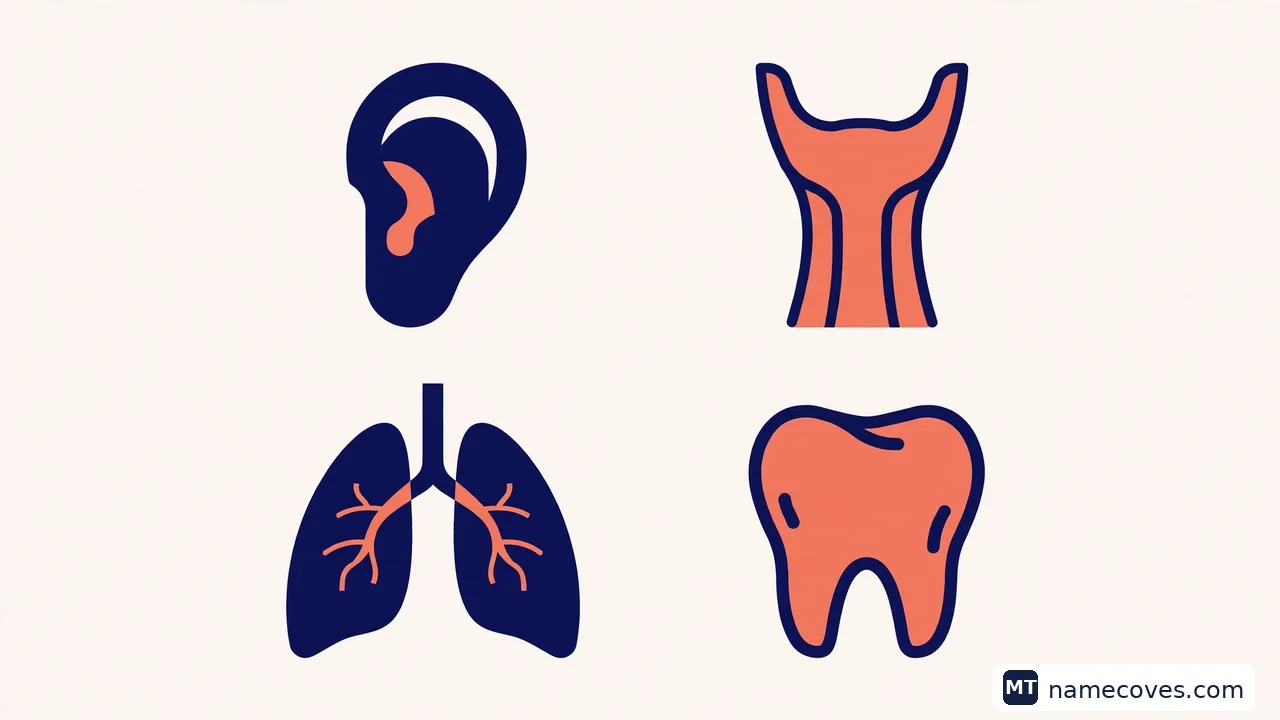
According to MedlinePlus and Mayo Clinic, amoxicillin is prescribed for a range of bacterial infections, including:
- Middle ear infections (otitis media)
- Strep throat and other bacterial throat infections
- Bacterial sinus infections
- Community-acquired pneumonia and some other lower respiratory infections
- Some urinary tract infections
- Certain skin infections
- Dental infections, including some tooth abscesses
- Stomach ulcers caused by H. pylori bacteria, combined with other medicines
This list is not a self-diagnosis guide. Many of these conditions can also be caused by viruses or can clear on their own, and only a clinician who examines you, and sometimes orders tests, can judge if an antibiotic is appropriate.
What Amoxicillin Does Not Treat

Amoxicillin does nothing against viruses. It will not shorten or cure the common cold, influenza, most sore throats, most cases of bronchitis, stomach flu, or COVID-19, because all of these are viral. Taking an antibiotic for a viral illness does not help you recover faster; it only exposes you to side effects and contributes to antibiotic resistance.
It also does not treat fungal infections, pain, or inflammation on its own. If a clinician decides against an antibiotic, that is usually because the likely cause is not bacterial, not because your symptoms are being dismissed.
Why Using It Only When Needed Matters
According to the Centers for Disease Control and Prevention (CDC), antibiotic resistance is one of the main reasons clinicians are careful about prescribing. Each time bacteria are exposed to an antibiotic, the bacteria most able to survive it can multiply, making future infections harder to treat for everyone.
Using amoxicillin only for confirmed or strongly suspected bacterial infections, and exactly as the prescriber directs, protects both you and the usefulness of the medicine. If you feel worse or develop new symptoms during treatment, contact the prescriber rather than saving, sharing, or restarting leftover antibiotics on your own.
General Safety Points to Know
Tell your prescriber about any past allergy to penicillin or cephalosporin antibiotics before taking amoxicillin, since an allergy can be serious. MedlinePlus lists common side effects that can include nausea, vomiting, diarrhea, and rash. These are often mild, but they are worth reporting if they are severe or persistent.
Seek urgent medical care for signs of a severe allergic reaction, such as trouble breathing, swelling of the face or throat, or widespread hives. Also tell your care team about other medicines you take, since antibiotics can interact with some of them. This article gives general information only; it does not provide dosing guidance, which must come from your prescriber or pharmacist.
FAQs
Does amoxicillin treat a cold or the flu?
No. Colds and flu are caused by viruses, and amoxicillin only works against bacteria. It is sometimes prescribed during a viral illness only if a separate bacterial infection, such as a bacterial sinus infection, develops.
Does amoxicillin treat strep throat?
Yes, it is one of the standard treatments for strep throat, which is bacterial. A throat swab or test is usually how a clinician confirms strep before prescribing.
Can amoxicillin treat a tooth infection?
It is often prescribed for bacterial dental infections, but an antibiotic alone usually does not fix the underlying tooth problem. A dentist still needs to treat the source, such as with drainage, a root canal, or removal.
Does amoxicillin work for a UTI?
It can, for some urinary tract infections, but resistance patterns vary by area, so clinicians sometimes choose a different antibiotic first. A urine test helps confirm the bacteria involved.
What if I am allergic to penicillin?
Tell your prescriber. Amoxicillin is a penicillin-type antibiotic, so people with a true penicillin allergy are generally given a different class of antibiotic instead.
What Should You Remember About Amoxicillin?
Amoxicillin is a widely used antibiotic that treats bacterial infections of the ear, throat, lungs, sinuses, urinary tract, skin, and teeth, among others. Its strength is also its limit: it has no effect on viruses, so it cannot help colds, flu, or other viral illnesses, no matter how miserable they feel.
If you are unsure why you were, or were not, prescribed it, ask the prescriber or pharmacist to explain the reasoning. That short conversation does more for your recovery, and for keeping antibiotics effective, than any leftover medicine in a cabinet.