There is a particular rhythm to Spanish last names. Say them out loud, García, Mendoza, Herrera, and you can almost hear centuries of history: medieval villages, mountain passes, blacksmith forges, pilgrims on dusty roads. A Spanish surname is rarely just a label. It is a compressed story about where a family came from, what an ancestor did, or how the landscape looked outside their door.
If you landed here, you are probably looking for more than a plain list. Maybe you are tracing your own family roots and want to know what your surname actually meant when it first appeared. Maybe you are naming a character and want a surname that feels authentic rather than decorative. Or maybe you simply love the sound of these names and want to understand the history inside them. Whatever brought you here, you will find documented meanings, honest origins, and clear guidance on what each name carries with it.
Quick answer: Spanish last names fall into five main types: patronymic (from a father’s name, like Rodríguez from Rodrigo), habitational (from a place, like Navarro from Navarre), topographic (from landscape, like Vega meaning fertile plain), occupational (from work, like Herrera connected with smithies), and descriptive (from nicknames, like Delgado meaning slender). The -ez ending is strongly associated with traditional Castilian patronymics, but it is only one of several historical patterns.
How Spanish Last Names Developed

Spanish surnames tell very different kinds of stories, and understanding the categories makes the whole list far more useful. Some identify a person’s father or ancestor, others point to a town or region, and many began as descriptions of a landscape, an occupation, a physical characteristic, or a nickname. This collection focuses on documented Spanish and Iberian surname traditions, organized by surname type so you can see how each name developed and what kind of history it carries.
| Surname type | What it describes | Examples |
|---|---|---|
| Patronymic | A father’s or ancestor’s given name | Rodríguez, Martínez, López, Sánchez, Pérez, Hernández, González |
| Habitational | A town, region, or settlement | Navarro, Mendoza, Molina, Torres, Castillo, Fuentes |
| Topographic | Landscape features near the home | Vega, Serrano, Campos |
| Occupational | Work or social role | Herrera, Pastor, Guerrero, Romero |
| Descriptive | Nicknames from appearance or traits | Delgado, Blanco |
1. Patronymic surnames. These grew out of personal names. A person might historically be identified as the descendant of someone named Rodrigo, Pedro, Sancho, Martín, Gonzalo, or Hernando. Over time, forms such as Rodríguez, Pérez, Sánchez, Martínez, González, and Hernández became established hereditary surnames.
2. Habitational surnames. These identify an association with a particular town, region, or geographic location. Navarro is a direct example because it refers to Navarre. Mendoza arose from places bearing that name in the Basque Country. Molina, Torres, Castillo, and Fuentes also have documented connections to named places.
3. Topographic surnames. These describe the landscape around where a person lived. Vega refers to a fertile lowland or water meadow; Campos refers to fields; Serrano refers to a person associated with mountains or hill ranges. Such surnames essentially turned geography into a family identifier.
4. Occupational surnames. These identify a person’s work or social role. Herrera has a documented connection with smithies and ironworking, while Pastor refers to a shepherd and Guerrero to a warrior or person associated with warfare.
5. Nickname surnames. Descriptions could become permanent family names. Delgado began as a description of a slender person, and Blanco could describe someone with white or fair hair or a pale complexion. These meanings describe the original surname formation, not a characteristic that should automatically be attributed to modern people who bear the surname.
Traditional Spanish Patronymic Last Names
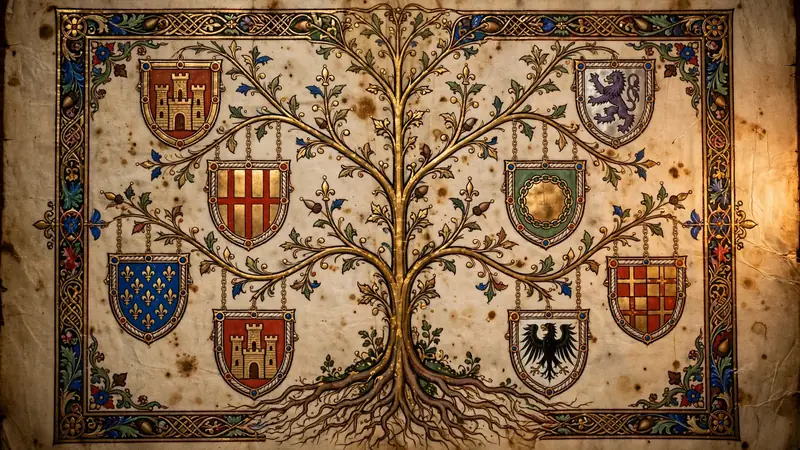
Patronymic surnames identify a person through a father’s or ancestor’s given name. In medieval Castilian naming, this produced many surnames ending in -ez: González from Gonzalo, Martínez from Martín, López from Lope, Sánchez from Sancho, Pérez from Pedro, and Hernández from Hernando. The historical pattern is older than modern Spanish naming conventions and does not necessarily mean that every modern person with one of these surnames descends from one single medieval family.
| Surname | From the given name | Pronunciation |
|---|---|---|
| García | Medieval personal name, pre-Roman roots | gar-SEE-ah |
| López | Lope, associated with “wolf” | LOH-pes |
| Rodríguez | Rodrigo | roh-DREE-ges |
| Martínez | Martín | mar-TEE-nes |
| Sánchez | Sancho | SAN-ches |
García
Meaning: Uncertain; the surname developed from a medieval personal name, possibly of pre-Roman origin, with one scholarly proposal connecting it to Basque hartz, “bear.”
Origin: Medieval Spanish and Portuguese.
Pronunciation: Spanish gar-SEE-ah in much of Latin America; approximately gar-THEE-ah in much of Spain.
Style: Classic, historic, cross-regional.
Why it appeals: García is a particularly useful example of why surname research should distinguish a documented meaning from an attractive but unproven translation: its ultimate etymology remains uncertain, while its historical use is exceptionally well established.
López
Meaning: Patronymic from the medieval personal name Lope, historically associated with “wolf.”
Origin: Spanish; a traditional patronymic surname.
Pronunciation: LOH-pes in Latin American Spanish and approximately LOH-peth in much of Spain.
Style: Traditional patronymic.
Why it appeals: López has a particularly transparent historical structure because the surname preserves a documented medieval personal name rather than relying on a speculative symbolic interpretation.
Rodríguez
Meaning: Patronymic from Rodrigo.
Origin: Spanish and Portuguese.
Pronunciation: roh-DREE-ges in much of Latin America; approximately roh-DREE-guess with the Spanish /θ/ in much of Spain.
Style: Classic Iberian patronymic.
Why it appeals: Rodríguez is one of the clearest examples of the Spanish patronymic tradition and is also highly established in the United States; the 2020 Census ranked it eighth among all U.S. surnames.
Martínez
Meaning: Patronymic from the given name Martín.
Origin: Spanish, with the surname also established in parts of southern Italy following periods of Spanish rule.
Pronunciation: mar-TEE-nes in Latin America; approximately mar-TEE-neth in much of Spain.
Style: Traditional and widely established.
Why it appeals: Martínez combines a straightforward paternal-name origin with substantial modern U.S. presence; the U.S. Census ranked it tenth nationally in 2020.
Sánchez
Meaning: Patronymic from Sancho.
Origin: Spanish.
Pronunciation: SAN-ches in Latin America; approximately SAN-cheth in much of Spain.
Style: Medieval patronymic.
Why it appeals: Its documented connection with Sancho illustrates how medieval Spanish personal names became hereditary family names. Sánchez was also among the 50 most common U.S. surnames in the 2020 Census, ranking 25th.
More Classic Patronymic Surnames
The -ez tradition produced many more surnames beyond the five above. Each of the following is a documented patronymic with its own given-name root.
González
Meaning: Patronymic from Gonzalo.
Origin: Spanish.
Pronunciation: Approximately gohn-SAH-les in Latin America; gohn-SAH-leth in much of Spain.
Style: Traditional patronymic.
Why it appeals: One of the most common Spanish patronymics in both Spain and the United States, where the 2020 Census ranked it thirteenth nationally.
Pérez
Meaning: Patronymic from Pedro.
Origin: Spanish.
Pronunciation: Approximately PEH-res in Latin America; PEH-reth in much of Spain.
Style: Traditional patronymic.
Why it appeals: A compact, widely recognized patronymic whose transparent origin in the given name Pedro makes it easy to place historically.
Hernández
Meaning: Patronymic from Hernando.
Origin: Spanish.
Pronunciation: Approximately er-NAHN-des in Latin America; er-NAHN-deth in much of Spain.
Style: Medieval patronymic.
Why it appeals: The 2020 U.S. Census ranked Hernández eleventh among all American surnames, and its Hernando root gives it a sturdy medieval feel.
Díaz
Meaning: Patronymic from the medieval name Didacus, associated with Diego.
Origin: Spanish.
Pronunciation: Approximately DEE-as in Latin America; DEE-ath in much of Spain.
Style: Medieval patronymic.
Why it appeals: Short and distinctive; the Didacus to Diego connection gives it a layered medieval history.
Ruiz
Meaning: Patronymic from Ruy, a shortened form of Rodrigo.
Origin: Spanish and Portuguese.
Pronunciation: Approximately roo-EES in Latin America; roo-EETH in much of Spain.
Style: Compact patronymic.
Why it appeals: A compact patronymic from Ruy, a shortened form of Rodrigo, that stays easy to pronounce across languages.
Jiménez
Meaning: Patronymic from the medieval personal name Jimeno.
Origin: Spanish.
Pronunciation: Approximately hee-MEH-nes in Latin America; hee-MEH-neth in much of Spain.
Style: Historic patronymic.
Why it appeals: Distinctly Iberian and historic, preserving the medieval personal name Jimeno in hereditary form.
Álvarez
Meaning: Patronymic from Álvaro.
Origin: Spanish.
Pronunciation: Approximately AHL-bah-res in Latin America; AHL-bah-reth in much of Spain.
Style: Traditional patronymic.
Why it appeals: A traditional patronymic from Álvaro with an old-Spanish resonance that reads as both classic and strong.
Ramírez
Meaning: Patronymic from Ramiro.
Origin: Spanish.
Pronunciation: Approximately rah-MEE-res in Latin America; rah-MEE-reth in much of Spain.
Style: Traditional patronymic.
Why it appeals: Balances familiarity and history; it was also among the 50 most common U.S. surnames in the 2020 Census.
Domínguez
Meaning: Patronymic from Domingo.
Origin: Spanish.
Pronunciation: Approximately doh-MEEN-hes in Latin America; doh-MEEN-heth in much of Spain.
Style: Traditional patronymic.
Why it appeals: From Domingo, a name tied to Sunday, giving it a warm traditional heritage.
Fernández
Meaning: Patronymic from Fernando/Hernando.
Origin: Spanish.
Pronunciation: Approximately fer-NAHN-des in Latin America; fer-NAHN-deth in much of Spain.
Style: Traditional patronymic.
Why it appeals: One of the most frequent surnames in Spain itself; a classic Fernando/Hernando patronymic.
The historical importance of this group is worth emphasizing. The suffix does not function as a modern equivalent of the English word “son.” Rather, it became part of a Spanish surname-building tradition over centuries. The exact history of individual surnames can involve phonetic changes, regional forms, and more than one historical lineage.
Spanish Last Names From Regions and Places
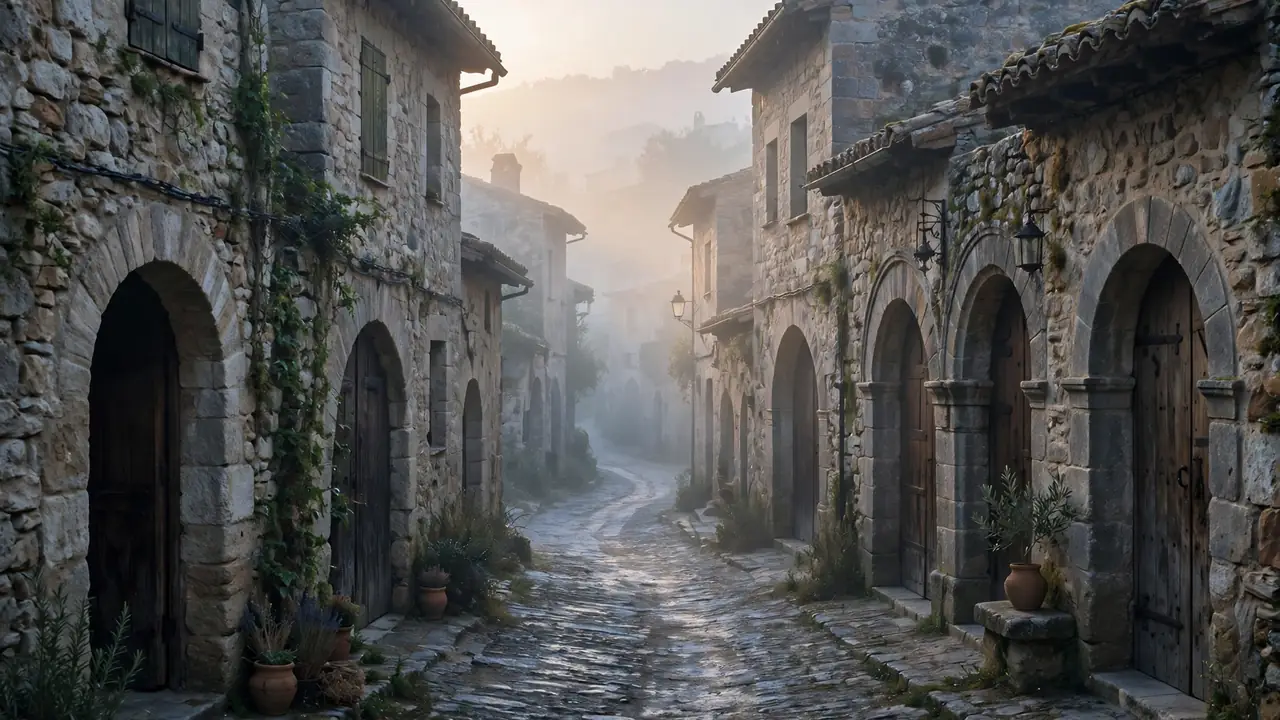
Another major surname category is the habitational surname: a family name derived from a place where an ancestor lived or from the place associated with the family’s origin. These names can point to an entire region, a town, a settlement, or a physical landmark.
| Surname | Place connection | Pronunciation |
|---|---|---|
| Navarro | “Person from Navarre,” northern Spain | nah-VAH-rroh |
| Mendoza | Basque places in Álava and Biscay | men-DOH-sah |
| Molina | Places called Molina, notably Guadalajara | moh-LEE-nah |
| León | The city and historic region of León | leh-OHN |
Navarro
Meaning: “Person from Navarre.”
Origin: Spanish habitational surname associated with Navarre, the historic region in northern Spain.
Pronunciation: Approximately nah-VAH-rroh.
Style: Regional and geographic.
Why it appeals: Navarro has an unusually direct geographic explanation: the surname identifies a person in relation to a specific historical territory rather than an inferred personality or symbolic meaning.
Mendoza
Meaning: A Basque place-name generally analyzed from mendi “mountain” and otz “cold,” together with the definite article.
Origin: Basque, from places named Mendoza in Álava and Biscay; established as a Spanish surname.
Pronunciation: Approximately men-DOH-sah in Latin American Spanish and men-DOH-thah in much of Spain.
Style: Regional, historic, Basque-Spanish.
Why it appeals: Mendoza provides a particularly specific documented connection to Basque linguistic heritage, while its historical association with an influential Spanish family gives the surname additional historical depth.
Molina
Meaning: A habitational surname associated with places called Molina.
Origin: Spanish and Catalan, with a particularly important historical place-name connection to Molina in Guadalajara province.
Pronunciation: Approximately moh-LEE-nah.
Style: Geographic and traditional.
Why it appeals: Molina demonstrates how a surname can preserve an ancestral place connection even when the modern bearer lives far from the location that originally generated the name.
León
Meaning: Primarily associated with the Spanish place-name León, although separate historical nickname and personal-name routes also exist.
Origin: Spanish.
Pronunciation: leh-OHN.
Style: Regional and historical.
Why it appeals: León works especially well for readers interested in surnames with a direct connection to a recognizable Spanish city and historical region, while its alternative etymological paths are worth keeping distinct rather than collapsing into a single “lion” meaning.
More Place-Based Spanish Surnames
Castillo
Meaning: “Castle” or fortified building; also from places named with the word.
Origin: Spanish.
Pronunciation: Approximately kahs-TEE-yoh.
Style: Habitational/topographic.
Why it appeals: Immediately readable as “castle,” a favorite for character names because the meaning lands instantly while the surname history stays genuinely documented.
Torres
Meaning: From places named Torres, based on torre, “tower.”
Origin: Spanish, Galician, Catalan, Portuguese.
Pronunciation: Approximately TOH-rres.
Style: Habitational.
Why it appeals: Plural “towers” with documented habitational roots; also among the most common U.S. surnames in the 2020 Census.
Ortega
Meaning: From Spanish places called Ortega, associated with ortiga, “nettle”; other possible etymologies exist.
Origin: Spanish.
Pronunciation: Approximately or-TEH-gah.
Style: Habitational/nature-linked.
Why it appeals: Tied to places named for nettles, with other possible etymologies on record; an earthy, less-common habitational choice.
Fuentes
Meaning: “Springs” or “wells”; also from places called Fuentes.
Origin: Spanish.
Pronunciation: Approximately FWEHN-tes.
Style: Topographic/habitational.
Why it appeals: Springs and wells give it a fresh, natural image while the surname itself remains well established historically.
Rojas
Meaning: From places called Rojas in Burgos, associated with rojo, “red.”
Origin: Spanish.
Pronunciation: Approximately RROH-hahs.
Style: Habitational/descriptive.
Why it appeals: Connected with “red” places in Burgos; short, vivid, and memorable.
Vargas
Meaning: Associated with the place Vargas in Cantabria or possibly a regional topographic word.
Origin: Spanish.
Pronunciation: Approximately BAHR-gahs.
Style: Regional/topographic.
Why it appeals: A regional Cantabrian name with an intriguing, slightly mysterious origin that rewards genealogical digging.
Landscape-Inspired Spanish Surnames
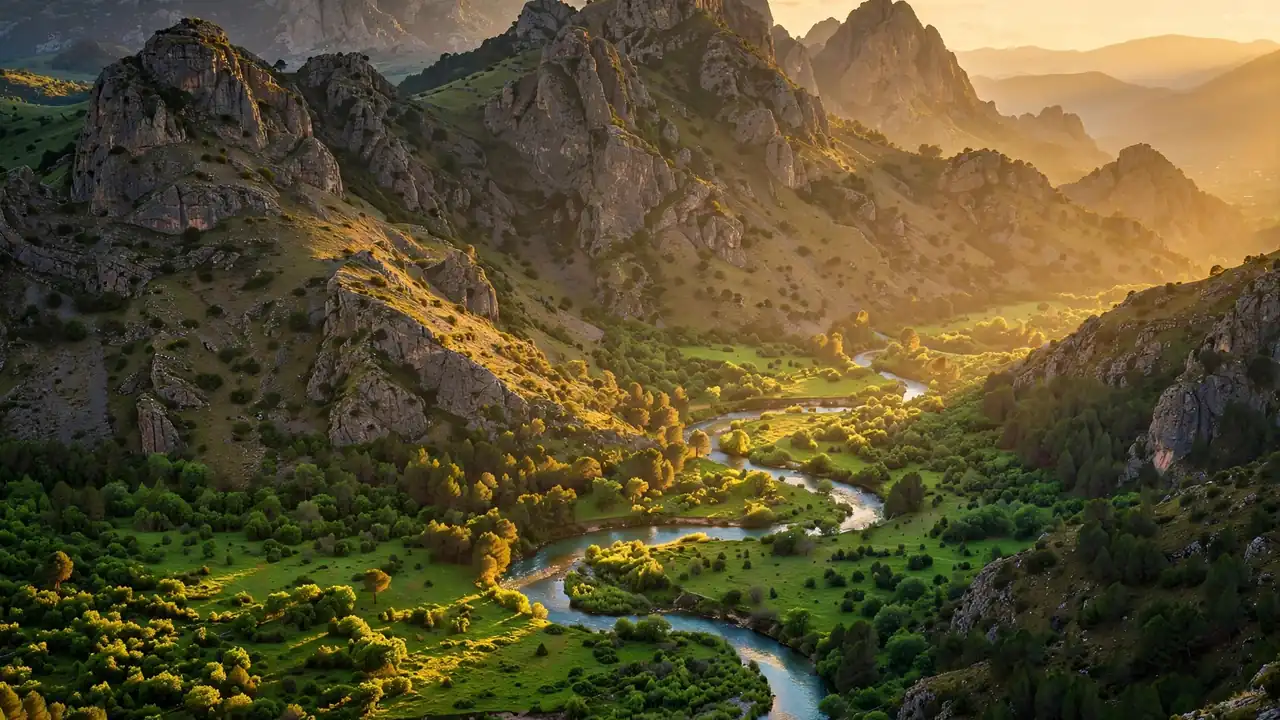
Many Spanish surnames preserve descriptions of the land itself. These can refer to fields, fertile plains, mountains, springs, forests, valleys, or other natural features.
| Surname | Landscape meaning | Pronunciation |
|---|---|---|
| Vega | “Fertile plain,” “lowland,” or “water meadow” | BEH-gah |
| Serrano | A person associated with a mountain ridge | seh-RRAH-noh |
| Campos | “Fields” | KAHM-pos |
Vega
Meaning: “Fertile plain,” “lowland,” or “water meadow.”
Origin: Spanish, from vega, a word of pre-Roman origin; it also developed as a habitational surname from numerous places called Vega.
Pronunciation: Approximately BEH-gah.
Style: Landscape surname.
Why it appeals: Vega has the unusual advantage of being both a documented surname and a recognizable Spanish landscape word, making the etymology comparatively direct.
Serrano
Meaning: A person associated with a mountain ridge or chain of hills.
Origin: Spanish topographic surname, derived from serra.
Pronunciation: Approximately seh-RRAH-noh.
Style: Geographic and nature-based.
Why it appeals: Serrano preserves a concrete geographical description, so its historical meaning can be understood without relying on an elaborate symbolic interpretation.
Campos
Meaning: “Fields.”
Origin: Spanish and Portuguese; a topographic surname originally referring to someone who lived in the countryside rather than a town.
Pronunciation: Approximately KAHM-pos.
Style: Landscape/topographic.
Why it appeals: Campos is a straightforward example of an everyday landscape word becoming a hereditary surname.
More Landscape and Nature Surnames
Espinosa
Meaning: Associated with thorny vegetation; from places named Espinosa.
Origin: Spanish.
Pronunciation: Approximately ehs-pee-NOH-sah.
Style: Nature/habitational.
Why it appeals: Thorny vegetation gives it a wild, natural edge, while its place-name history keeps it firmly grounded.
Rivera
Meaning: Riverside or riverbank; also habitational in some cases.
Origin: Spanish/Portuguese.
Pronunciation: Approximately rree-BEH-rah.
Style: Water/topographic.
Why it appeals: Fluid and melodic, with documented topographic roots; also among the most common U.S. surnames in the 2020 Census.
Valle
Meaning: “Valley.”
Origin: Spanish.
Pronunciation: Approximately BAH-yeh.
Style: Landscape.
Why it appeals: “Valley” in a single elegant word; simple, evocative, and easy to carry.
Montes
Meaning: “Mountains” or elevated terrain.
Origin: Spanish/Portuguese.
Pronunciation: Approximately MOHN-tes.
Style: Landscape.
Why it appeals: Grand and geographic; the plural form gives it a sweeping, elevated feel.
Pardo
Meaning: “Brown” or grayish-brown; historically descriptive.
Origin: Spanish/Portuguese.
Pronunciation: Approximately PAHR-doh.
Style: Landscape/descriptive.
Why it appeals: Historically descriptive of brown or grayish-brown coloring; understated and distinctive.
Occupational and Historical Spanish Surnames
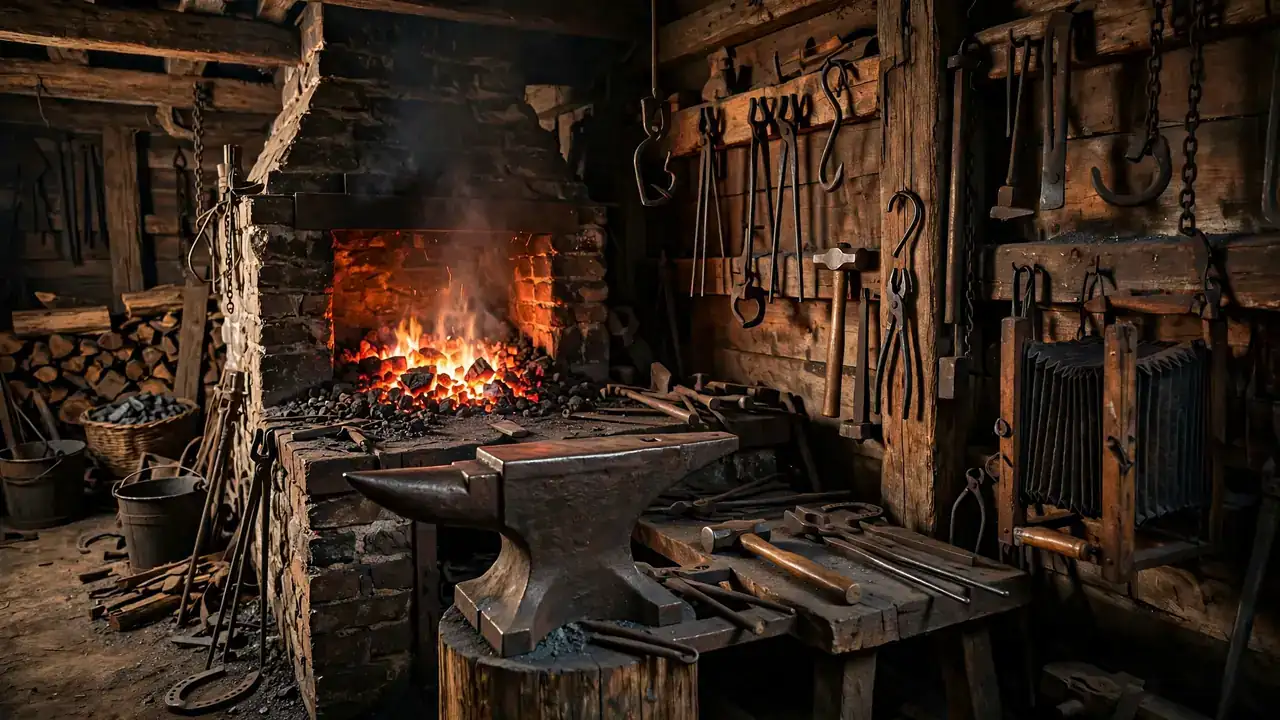
Some surnames originated in a person’s work or social role. Occupational surnames are especially valuable for historical research because they can preserve information about what an ancestor did long before surnames became fixed family identifiers.
| Surname | Historical role | Pronunciation |
|---|---|---|
| Herrera | Connected with a smithy or forge | eh-RREH-rah |
| Romero | “Pilgrim,” especially to Rome | roh-MEH-roh |
| Pastor | “Shepherd” | pas-TOR |
| Guerrero | “Warrior” or warfare | geh-RREH-roh |
Herrera
Meaning: Connected with a smithy or blacksmith’s forge.
Origin: Spanish habitational surname from places called Herrera, connected with a word related to hierro, “iron,” and ultimately Latin ferrum.
Pronunciation: Approximately eh-RREH-rah.
Style: Occupational/habitational.
Why it appeals: Herrera offers a concrete historical association with ironworking rather than a vague occupational label; its documented place-name history connects the surname to smithies and forges in Spain.
Romero
Meaning: “Pilgrim,” originally referring particularly to a pilgrim traveling to Rome.
Origin: Spanish nickname surname from romero.
Pronunciation: Approximately roh-MEH-roh.
Style: Historical nickname.
Why it appeals: Romero preserves a specific medieval social practice, pilgrimage, giving the name a more historically precise explanation than simply assigning it a generalized religious meaning.
Pastor
Meaning: “Shepherd.”
Origin: Spanish occupational surname.
Pronunciation: Approximately pas-TOR.
Style: Occupational and traditional.
Why it appeals: The source word remains transparent in modern Spanish, making Pastor one of the easiest Spanish occupational surnames to interpret accurately.
Guerrero
Meaning: “Warrior” or a person associated with warfare.
Origin: Spanish occupational/nickname surname.
Pronunciation: Approximately geh-RREH-roh.
Style: Occupational/descriptive.
Why it appeals: Guerrero preserves a recognizable Spanish occupational or nickname word and therefore has a particularly straightforward lexical meaning.
More Occupational Spanish Surnames
Molinero
Meaning: Miller.
Origin: Spanish.
Pronunciation: Approximately moh-lee-NEH-roh.
Style: Occupational.
Why it appeals: A clear occupational surname with rustic charm; the miller was a central figure in village life.
Herrero
Meaning: Blacksmith/ironworker.
Origin: Spanish.
Pronunciation: Approximately eh-RREH-roh.
Style: Occupational.
Why it appeals: Direct and strong; the occupational counterpart to the habitational Herrera.
Barbero
Meaning: Barber.
Origin: Spanish.
Pronunciation: Approximately bahr-BEH-roh.
Style: Occupational.
Why it appeals: A transparent trade name with old-world character; barbers were trusted community figures.
Zapatero
Meaning: Shoemaker.
Origin: Spanish.
Pronunciation: Approximately sah-pah-TEH-roh in Latin America; thah-pah-TEH-roh in much of Spain.
Style: Occupational.
Why it appeals: Craftsmanlike and distinctive; shoemaking was skilled, respected work.
Cabrera
Meaning: Associated with goats or goat-related places/occupation.
Origin: Spanish.
Pronunciation: Approximately kah-BREH-rah.
Style: Occupational/topographic.
Why it appeals: Goat-related origins give it a pastoral, mountain-village feel.
These names are particularly interesting for genealogy because occupational surnames do not necessarily mean that every modern bearer descends from someone who practiced that occupation. The original occupational description could have become hereditary generations later.
Descriptive Spanish Last Names
Another major category consists of surnames that started as nicknames. Medieval communities often needed ways to distinguish people with the same given name, so physical appearance, stature, coloring, personality, or other noticeable features could become identifiers and eventually hereditary surnames.
| Surname | Original description | Pronunciation |
|---|---|---|
| Delgado | “Slender” or “thin” | del-GAH-doh |
| Blanco | “White,” fair hair or pale complexion | BLAHN-koh |
Delgado
Meaning: “Slender” or “thin.”
Origin: Spanish and Portuguese nickname surname, from delgado.
Pronunciation: Approximately del-GAH-doh.
Style: Descriptive.
Why it appeals: The surname has a documented direct connection to an everyday Spanish adjective, making its historical origin easier to understand than surnames whose etymology remains disputed.
Blanco
Meaning: “White,” historically used as a nickname for someone with white or fair hair or a pale complexion.
Origin: Spanish.
Pronunciation: Approximately BLAHN-koh.
Style: Descriptive nickname.
Why it appeals: Blanco preserves the original descriptive word almost unchanged, providing a clear example of how medieval or early-modern nicknames could become surnames.
More Descriptive and Nickname Surnames
Moreno
Meaning: Dark or brown; historically descriptive of appearance.
Origin: Spanish/Portuguese.
Pronunciation: Approximately moh-REH-noh.
Style: Descriptive.
Why it appeals: Historically descriptive of dark coloring; one of the most melodic of the descriptive surnames.
Prieto
Meaning: Dark or black; historically descriptive.
Origin: Spanish.
Pronunciation: Approximately pree-EH-toh.
Style: Descriptive.
Why it appeals: A less common descriptive surname with a bold, dark-toned history.
Cano
Meaning: Associated with white/gray hair; additional etymological possibilities exist.
Origin: Spanish.
Pronunciation: Approximately KAH-noh.
Style: Descriptive.
Why it appeals: Short and elegant, with documented gray-hair associations and other etymological possibilities on record.
Grande
Meaning: “Large” or “great.”
Origin: Spanish/Portuguese/Italian.
Pronunciation: Approximately GRAHN-deh.
Style: Descriptive.
Why it appeals: Confident and unmistakable; its meaning needs no translation.
Pequeño
Meaning: “Small” or “little”; historically descriptive.
Origin: Spanish.
Pronunciation: Approximately peh-KEH-nyoh.
Style: Descriptive.
Why it appeals: An endearing descriptive surname, rare enough to stand out.
Rubio
Meaning: Blond or fair-haired.
Origin: Spanish.
Pronunciation: Approximately RROO-byoh.
Style: Descriptive.
Why it appeals: Bright and unmistakable in meaning; the blond counterpart to Moreno.
Distinctive Spanish Surnames With Strong Literal Associations
The final group is useful for readers who want a surname whose word meaning is immediately recognizable but still has genuine historical use as a Spanish family name.
| Surname | Literal association | Surname history |
|---|---|---|
| Castillo | Castle | Topographic and habitational |
| Torres | Towers | Habitational, from named places |
| Fuentes | Springs or fountains | Habitational, from named places |
Castillo
Meaning: Immediately recognizable Spanish vocabulary for “castle.”
Origin: Spanish, with a documented topographic and habitational surname history.
Pronunciation: Approximately kahs-TEE-yoh.
Style: Topographic/habitational.
Why it appeals: Castillo is one of the most transparent Spanish surnames for English speakers: the word meaning is obvious, and the surname history behind it is genuinely documented.
Torres
Meaning: The Spanish word for “towers.”
Origin: Spanish habitational surname with documented connections to named places; also among the most common U.S. surnames in the 2020 Census.
Pronunciation: Approximately TOH-rres.
Style: Habitational.
Why it appeals: Torres combines an instantly readable literal meaning with deep historical use across Spain and Latin America.
Fuentes
Meaning: The Spanish word for “springs” or “fountains.”
Origin: Spanish habitational surname with documented connections to named places.
Pronunciation: Approximately FWEHN-tes.
Style: Habitational.
Why it appeals: Fuentes carries a fresh, natural image through its literal meaning while remaining a well-established historical surname.
More Surnames With Instantly Recognizable Meanings
Castillo, Torres, Vega, Rojas, León, Espinosa, and Rivera appear in earlier sections of this guide. The following names complete the group of surnames whose literal meanings are immediately clear.
Cruz
Meaning: Cross; also associated with places or features marked by a cross.
Origin: Spanish/Portuguese.
Pronunciation: Approximately kroos in Latin America; krooth in much of Spain.
Style: Religious/topographic.
Why it appeals: The cross; simple, powerful, and deeply rooted in Iberian naming.
Reyes
Meaning: “Kings”; historically associated with the word rey.
Origin: Spanish.
Pronunciation: Approximately RREH-yes.
Style: Title/descriptive.
Why it appeals: Regal and memorable; the plural “kings” gives it a natural grandeur.
Flores
Meaning: “Flowers”; multiple possible historical routes exist.
Origin: Spanish/Portuguese.
Pronunciation: Approximately FLOH-res.
Style: Nature/descriptive.
Why it appeals: Gentle and widely loved; also among the most common U.S. surnames in the 2020 Census.
Valdés
Meaning: Habitational surname associated with places bearing the name.
Origin: Spanish.
Pronunciation: Approximately bahl-DES.
Style: Regional.
Why it appeals: A habitational name with a noble Asturian ring.
Solano
Meaning: Historically associated with the east wind in Iberian usage and also with place/name traditions.
Origin: Spanish.
Pronunciation: Approximately soh-LAH-noh.
Style: Descriptive/regional.
Why it appeals: Tied to the east wind and place traditions; warm and distinctive.
Spanish Last Names Most Established in the United States
For a U.S. audience, it is helpful to separate Spanish origin from current U.S. frequency. The U.S. Census Bureau’s 2020 Census found 13 predominantly Hispanic surnames among the nation’s 50 most common surnames. They were Garcia, Rodriguez, Martinez, Hernandez, Lopez, Gonzalez, Perez, Sanchez, Ramirez, Torres, Flores, Rivera, and Gomez. Garcia ranked sixth nationally, while Rodriguez ranked eighth, Martinez tenth, Hernandez eleventh, Lopez twelfth, and Gonzalez thirteenth.
That does not mean these surnames are exclusively Spanish, exclusively Hispanic, or necessarily traceable to one ancestral family. A surname can have several independent historical lines, and surname distribution changes as people migrate and families intermarry.
Spain’s own statistics tell a similar story from the Iberian side. The Spanish National Statistics Institute’s 2024 surname table listed García, Rodríguez, González, Fernández, López, Sánchez, Martínez, Pérez, Gómez, and Martín among the ten most frequent surnames among residents of Spain.
Which Spanish Last Name Style Fits You Best?
Use these quick decision helpers to narrow the list to the style that fits your purpose, if that is family research, a character name, or simple curiosity.
- Do you want a traditional family-line meaning? Choose from patronymics such as López, Martínez, Sánchez, González, Pérez, or Rodríguez.
- Do you prefer a geographic connection? Navarro, Mendoza, Molina, León, Vega, and Serrano give you a clearer connection to a place or landscape.
- Is a literal English-readable meaning important? Castillo, Blanco, Delgado, Campos, Pastor, and Guerrero have particularly transparent source words.
- Would you rather have something tied to occupation or history? Herrera and Romero stand out because their documented origins preserve specific historical roles or practices.
- Are you choosing a surname for a character, fictional family, or creative project? A place-based or occupational surname can communicate historical context without requiring a fictional backstory about the family.
10 Standout Spanish Last Names
If you want a shortlist of the strongest choices from this guide, start here.
- García: One of the strongest choices for historical authenticity; it is extensively documented but its ultimate etymology is appropriately treated as uncertain.
- López: Clear patronymic formation from Lope, with a documented historical association between the personal name and “wolf.”
- Rodríguez: A well-established Spanish and Portuguese patronymic from Rodrigo and one of the most common U.S. surnames.
- Navarro: Particularly strong for geographic meaning because it directly identifies association with Navarre.
- Mendoza: Distinctive regional history through its documented Basque place-name origin.
- Vega: A compact surname with a directly documented landscape meaning connected to fertile lowland.
- Castillo: Immediately recognizable Spanish vocabulary with a documented topographic and habitational surname history.
- Romero: Especially interesting for historical storytelling because its meaning is specifically tied to pilgrimage to Rome.
- Herrera: A useful occupational/habitational surname whose history is connected with ironworking and smithies.
- Serrano: A clear topographic surname connected with mountain ridges and hill ranges.
A Note About Spanish Surname Pronunciation
Spanish surnames can sound different depending on the country where they are spoken. The biggest difference for U.S. readers is the pronunciation of z and the soft c before e or i. In most of Latin America, these sounds are generally pronounced like English s, so González is approximately gohn-SAH-les. In much of Spain, the same letters are pronounced with the “th” sound found in English thin, giving an approximation of gohn-SAH-leth. The same regional difference appears in surnames such as García, Rodríguez, Sánchez, Martínez, and Hernández.
The same rule helps with many other names in this guide: Díaz is approximately DEE-as in Latin America and DEE-ath in much of Spain, and Pérez, Fernández, Ramírez, Álvarez, Jiménez, Hernández, González, and Domínguez follow the same pattern.
Written accents should also be retained when presenting Spanish surnames in their standard Spanish forms: García, Rodríguez, Martínez, Sánchez, Hernández, Pérez, Díaz, Ramírez, Álvarez, and Jiménez. In U.S. records, accents are sometimes omitted for administrative reasons, but omission in a database does not make the accented form linguistically incorrect.
Are Spanish Last Names Gendered?
Generally, Spanish hereditary surnames are not changed according to if the bearer is male or female. This differs from certain given-name patterns in Spanish, where masculine and feminine forms can differ.
For example, both a man and a woman can have the surname García, López, Mendoza, Castillo, Navarro, Vega, or Serrano.
Some surname forms that happen to resemble Spanish gendered adjectives have their own historical surname traditions, so they should not automatically be treated as modern grammatical gender markers.
Are Spanish Last Names the Same as Hispanic Last Names?
Not exactly. “Spanish surname” can refer to a surname with an origin in Spain or the broader historical Spanish-language naming tradition. “Hispanic surname” is a broader demographic or cultural description that can include surnames used throughout Latin America and in Spanish-speaking communities in the United States.
For example, García has a documented Spanish and Portuguese history but is now widespread across Spanish-speaking countries and the United States. Similarly, surnames such as Mendoza, Navarro, Romero, and Castillo have historical Iberian origins but are not confined to Spain today.
This distinction matters especially for genealogy. A person with a Spanish-origin surname does not automatically have one particular region, ethnic background, or family line represented by that surname alone.
Frequently Asked Questions
What are the most common Spanish last names?
Among the most widely established Spanish surnames are García, Rodríguez, González, Fernández, López, Sánchez, Martínez, Pérez, Gómez, and Martín. Spain’s INE placed these names in its top ten by frequency among residents in its 2024 surname table.
What does the -ez ending mean in Spanish surnames?
The -ez ending is strongly associated with traditional Castilian patronymics, meaning that the surname developed from a paternal or ancestral given name. Historical Spanish linguistic sources document examples including González, Pérez, Martínez, and other related forms.
What Spanish last names have geographic meanings?
Navarro, Mendoza, Molina, León, Vega, Serrano, Fuentes, Campos, Torres, and Castillo all have documented geographic, habitational, or topographic connections.
What Spanish last names have occupational origins?
Herrera has a documented connection with smithies and ironworking, while Pastor refers to a shepherd and Guerrero to a warrior or person associated with warfare. Other Spanish occupational surnames include forms connected with milling, barbering, and shoemaking.
Is García a Spanish last name?
Yes. García is documented as a Spanish and Portuguese surname derived from a medieval personal name. Its deeper etymology is uncertain, with a possible pre-Roman connection to Basque hartz, “bear.” The surname is extremely well established in both Spain and the United States.
Are Rodríguez and González Spanish surnames?
Yes. Both are documented Spanish patronymics. Rodríguez derives from Rodrigo, while González derives from Gonzalo. Both are also among the most common surnames in the United States.
Does having a Spanish surname prove Spanish ancestry?
No. A surname by itself usually cannot establish a person’s complete ancestry. Surnames can spread through migration, marriage, conversion, adoption, administrative changes, and independent historical family lines. Genealogical records are needed to establish a particular family’s ancestry.
Final Thoughts
Spanish last names reward a closer look. Behind a familiar name like García or Rodríguez sits a medieval naming tradition; behind Vega or Serrano sits a landscape; behind Herrera or Romero sits a forge or a pilgrim road. Knowing which kind of story your surname tells turns a simple list into something much richer: a small map of where a family came from and how it was once described by its neighbors.
Use the categories in this guide as your starting point. Match the surname type to your purpose, keep the documented meanings separate from the attractive guesses, and you will choose or research Spanish surnames with real confidence.