Neurodivergent describes a person whose brain works, learns, or processes information in ways that differ from what is considered typical. It is an umbrella term most often used for people with autism, ADHD, dyslexia, and similar conditions. The opposite term is neurotypical. Neurodivergent is a descriptive identity term, not a medical diagnosis.
The word appears everywhere now: in workplace training, school meetings, dating profiles, and posts about mental health. Because it sounds clinical, many people assume it is a diagnosis a doctor hands out. It is not, and understanding what it actually covers makes conversations at work, at school, and at home much clearer.
This page defines the term, lists the conditions it usually covers, explains how it differs from the related word neurodiversity, and answers the questions people most often ask about using it respectfully.
What Does Neurodivergent Mean?
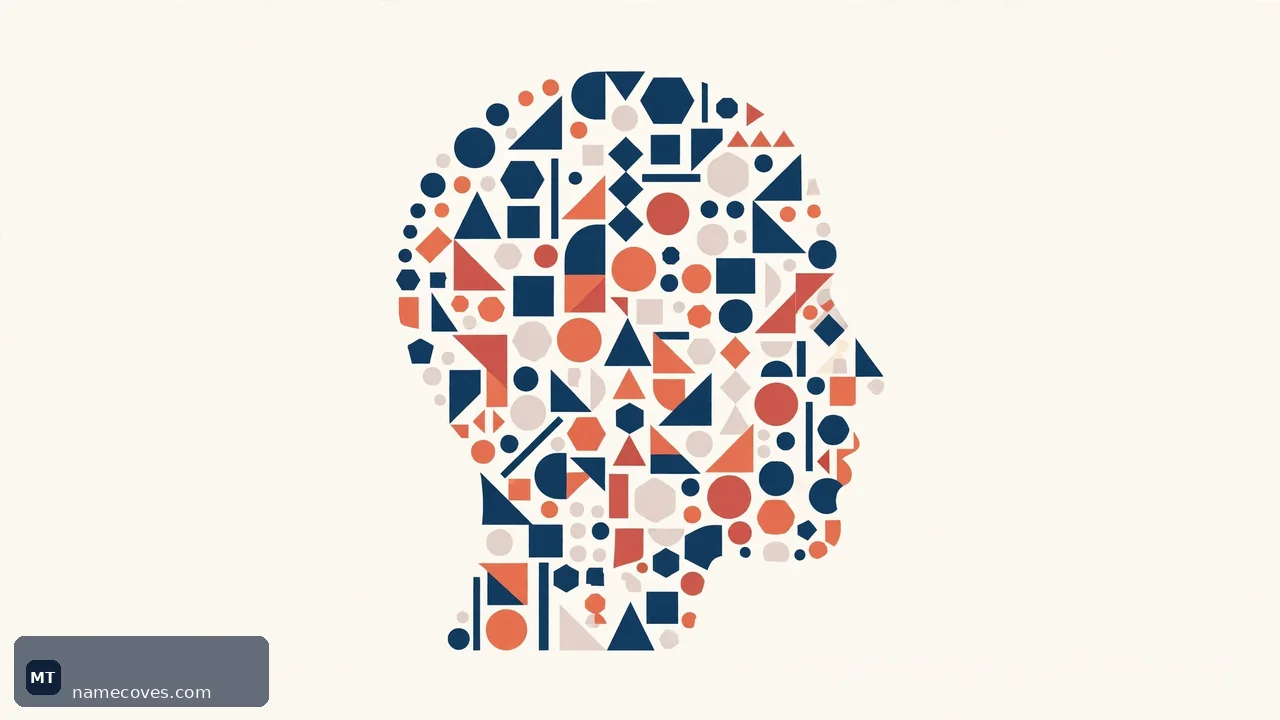
A neurodivergent person has a brain that functions in ways that diverge from the dominant social standards of “normal.” The word pairs “neuro,” referring to the brain and nervous system, with “divergent,” meaning differing. It describes a difference, not a defect: the neurodiversity framework treats these differences as part of natural human variation, while still recognizing that they can bring real challenges and support needs.
The term is widely credited to Kassiane Asasumasu, a neurodiversity activist, who coined it around 2000 to include people beyond the autistic community originally centered in the movement. The broader concept of neurodiversity is associated with sociologist Judy Singer, who developed it in the late 1990s. Both words grew out of advocacy communities before spreading into education, healthcare, and human resources.
Usage note: people describe an individual as neurodivergent, never as “a neurodiverse person.” Diversity is a property of a group, so a classroom or team can be neurodiverse, while one person is neurodivergent or neurotypical.
What Conditions Fall Under Neurodivergent?

There is no single official list, because neurodivergent is not a clinical category. In common usage, the umbrella most often covers developmental and learning conditions a person is born with, including:
- Autism spectrum disorder
- ADHD (attention-deficit/hyperactivity disorder)
- Dyslexia and other specific learning differences, such as dyscalculia and dysgraphia
- Dyspraxia (developmental coordination disorder)
- Tourette syndrome and other tic disorders
The edges of the umbrella are debated. Some people also include acquired or mental health conditions, such as brain injury, epilepsy, or PTSD, especially if the condition changes how the brain processes the world. Others reserve the term for lifelong neurodevelopmental differences. If someone describes themself as neurodivergent, the simplest approach is to accept their usage rather than police the boundary.
Is Neurodivergent a Medical Diagnosis?
No. You will not find “neurodivergent” as a diagnosis in the DSM-5, the manual clinicians use, and no doctor can diagnose you with it. Clinicians diagnose specific conditions, such as autism or ADHD, through formal assessment. Neurodivergent is a community and identity term that people use to describe themselves or that organizations use as a grouping label.
That distinction matters in practice. A school or employer providing accommodations will usually ask for documentation of a specific condition, not of neurodivergence in general. And if you suspect you or your child may have one of the conditions under the umbrella, the useful next step is an evaluation by a qualified professional, not a self-applied label alone.
How Is Neurodivergent Different From Neurodiversity?
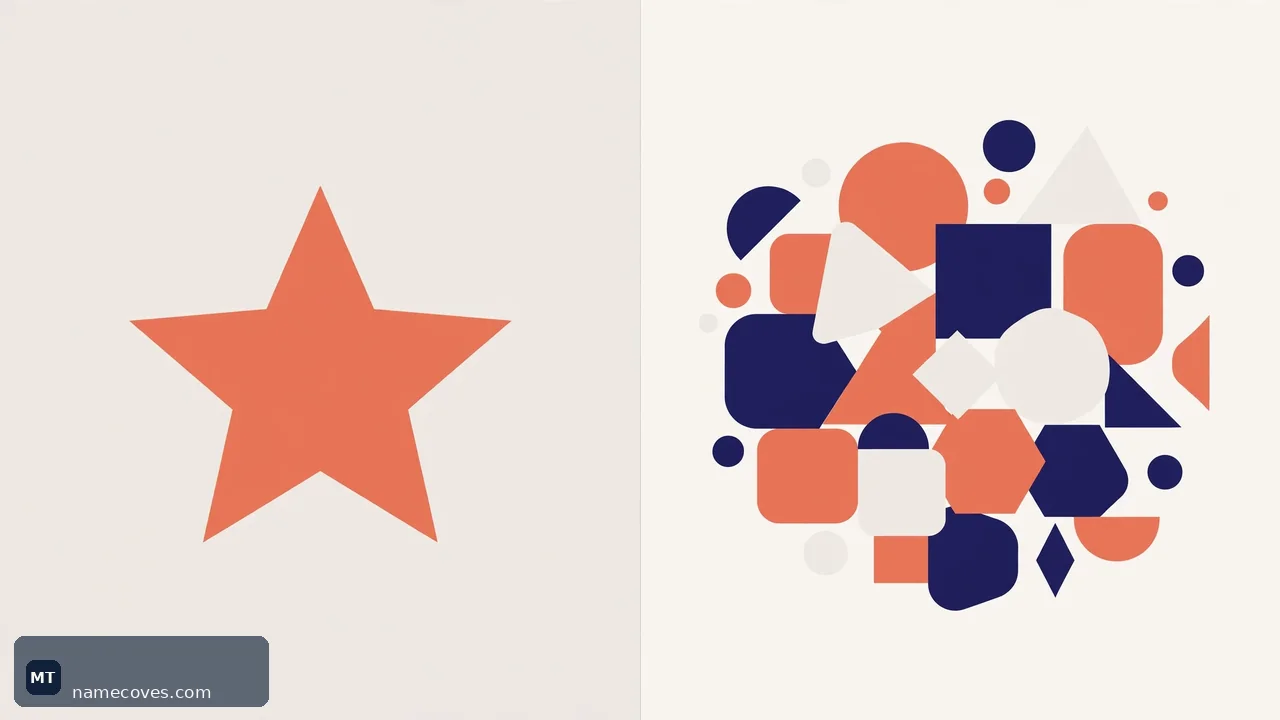
The two words are close relatives and are often swapped by mistake. Keeping them straight is mostly a matter of what each one describes:
| Term | What it refers to | Example use | Key distinction |
|---|---|---|---|
| Neurodivergent | An individual whose brain works differently from the typical pattern | “She is neurodivergent.” | Describes one person |
| Neurotypical | An individual whose brain works in the broadly typical way | “Most of his classmates are neurotypical.” | The counterpart term for one person |
| Neurodiversity | The range of brain differences across a whole population | “Neurodiversity is a fact of human biology.” | Describes a group or the concept itself |
| Neurodiverse | A group containing a mix of brain types | “They hire for a neurodiverse team.” | Describes a group, not an individual |
FAQs
Is neurodivergent a polite term?
Yes, it is generally considered a neutral, respectful term, and many people use it for themselves. Preferences still vary: some people prefer naming their specific condition, and others dislike labels altogether. Mirroring the words a person uses for themself is the safest guide.
Can someone be a little neurodivergent?
The term is usually treated as a category rather than a scale: a person either has one of the conditions it covers or they do not. The conditions themselves vary widely in how strongly they affect daily life, which is where the real range lies.
Does neurodivergent mean disabled?
Not automatically. Some neurodivergent people consider themselves disabled, particularly if their condition substantially limits daily activities, and some qualify for legal protections. Others do not identify as disabled. The two terms overlap but are not synonyms.
What is the opposite of neurodivergent?
Neurotypical: a person whose brain development and functioning fall within the range a society treats as typical.
Who counts as neurodivergent?
Most commonly, people with autism, ADHD, dyslexia, dyspraxia, Tourette syndrome, and related neurodevelopmental conditions. The boundary is debated for acquired and mental health conditions, and there is no official list.
What Should You Remember About Neurodivergent?
Neurodivergent describes an individual whose brain works differently from the typical pattern, most often someone with autism, ADHD, dyslexia, or a related condition. The most important rule is what the term is not: it is not a diagnosis, not a scale, and not a polite code word for a defect. It names a difference, and the conditions beneath it are specific and diagnosable.
In practice, use the word the way the person in front of you uses it, and ask about concrete needs rather than labels: “What helps you focus?” gets further than any category. If you are exploring the term for yourself, treat it as a starting point and seek a professional evaluation if you want answers about a specific condition.